
Thailand
From Amsterdam to Bangkok, Island Life and Northern Adventures
Gear used on this trip
Canon EOS RP
Canon RF 16mm F/2.8 STM
Canon RF 24-105 F4/L
DJI Flip
Day 1: Long haul to Southeast Asia
The alarm went off at 6:00. A quick shower, breakfast, and by 7:00 we were on our way to Schiphol. A nice bonus was that it was my mum’s birthday, so I could give her present in person before leaving. At the airport, everything moved quickly and within half an hour we were already sitting at Starbucks. Not long after, we boarded our flight to Singapore. The 12-hour journey was long and sleep didn’t happen, but it gave me time to think about compositions and how I wanted to approach this trip. With only the RF 24-105mm as my main lens, versatility was key. It’s one of those lenses that forces you to think in framing rather than switching glass. After a short layover, we continued to Bangkok, where the first thing that hit was the heat and humidity. A completely different environment, and something to keep in mind for both gear and shooting conditions.
Day 2: First impressions of Bangkok
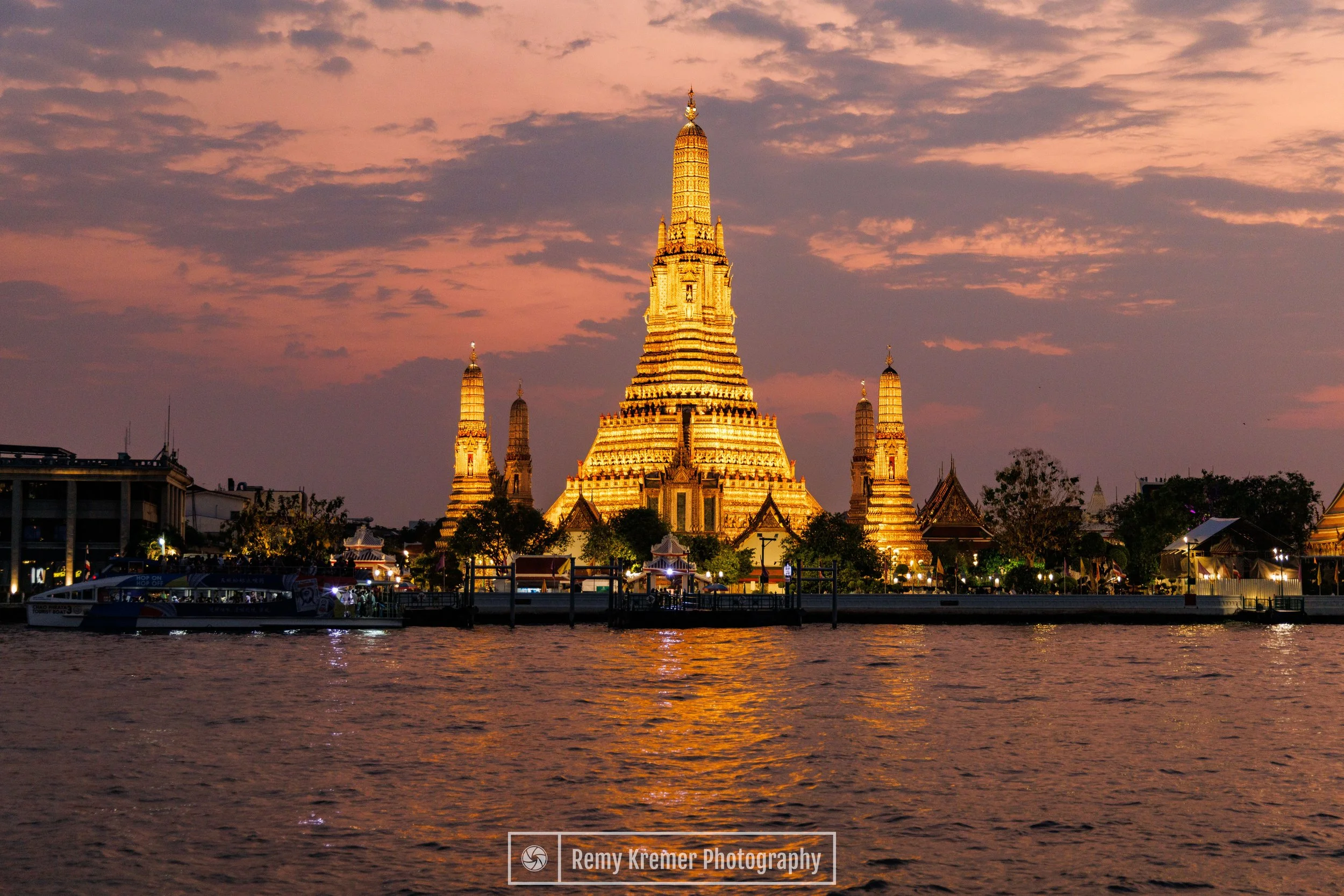
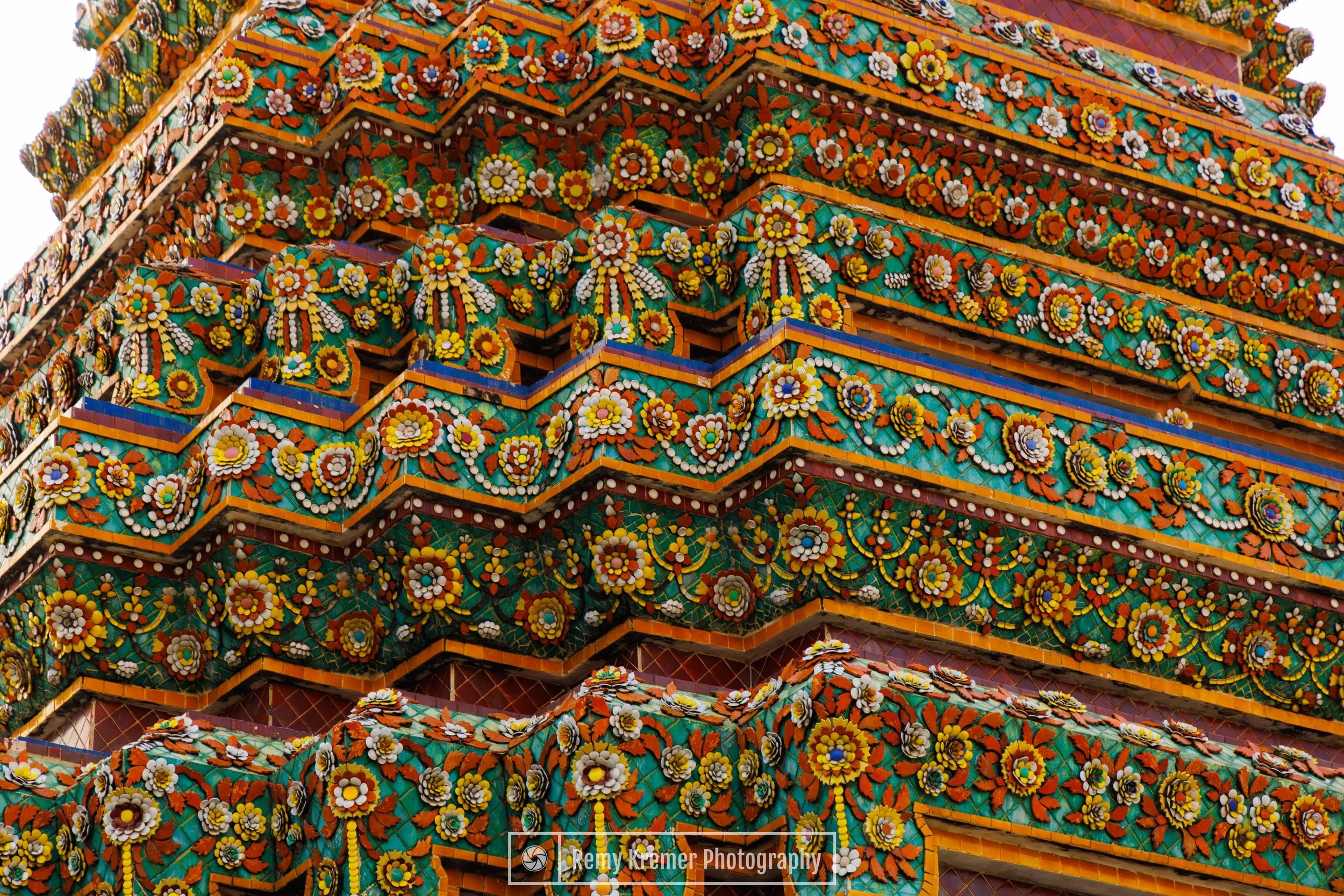
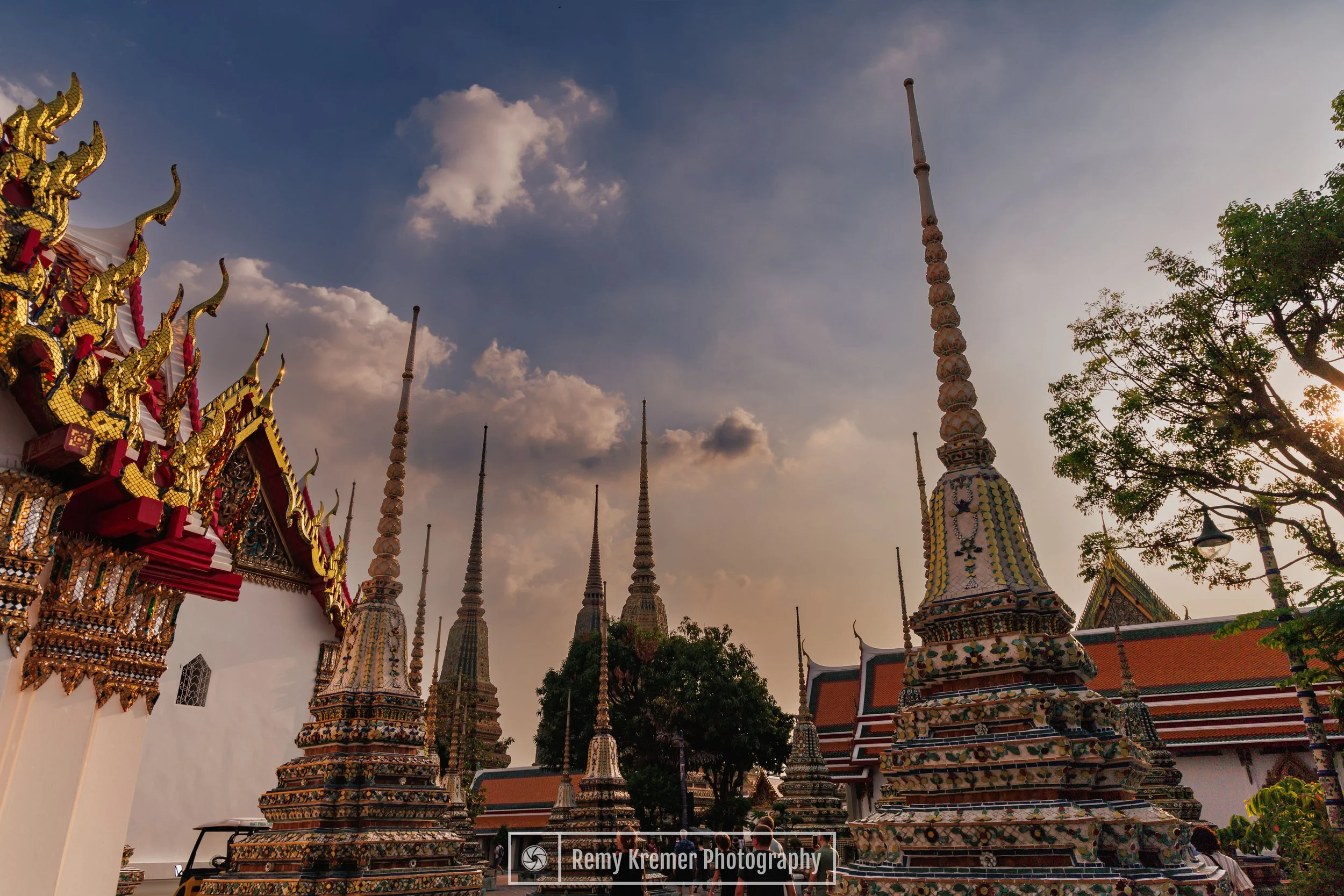
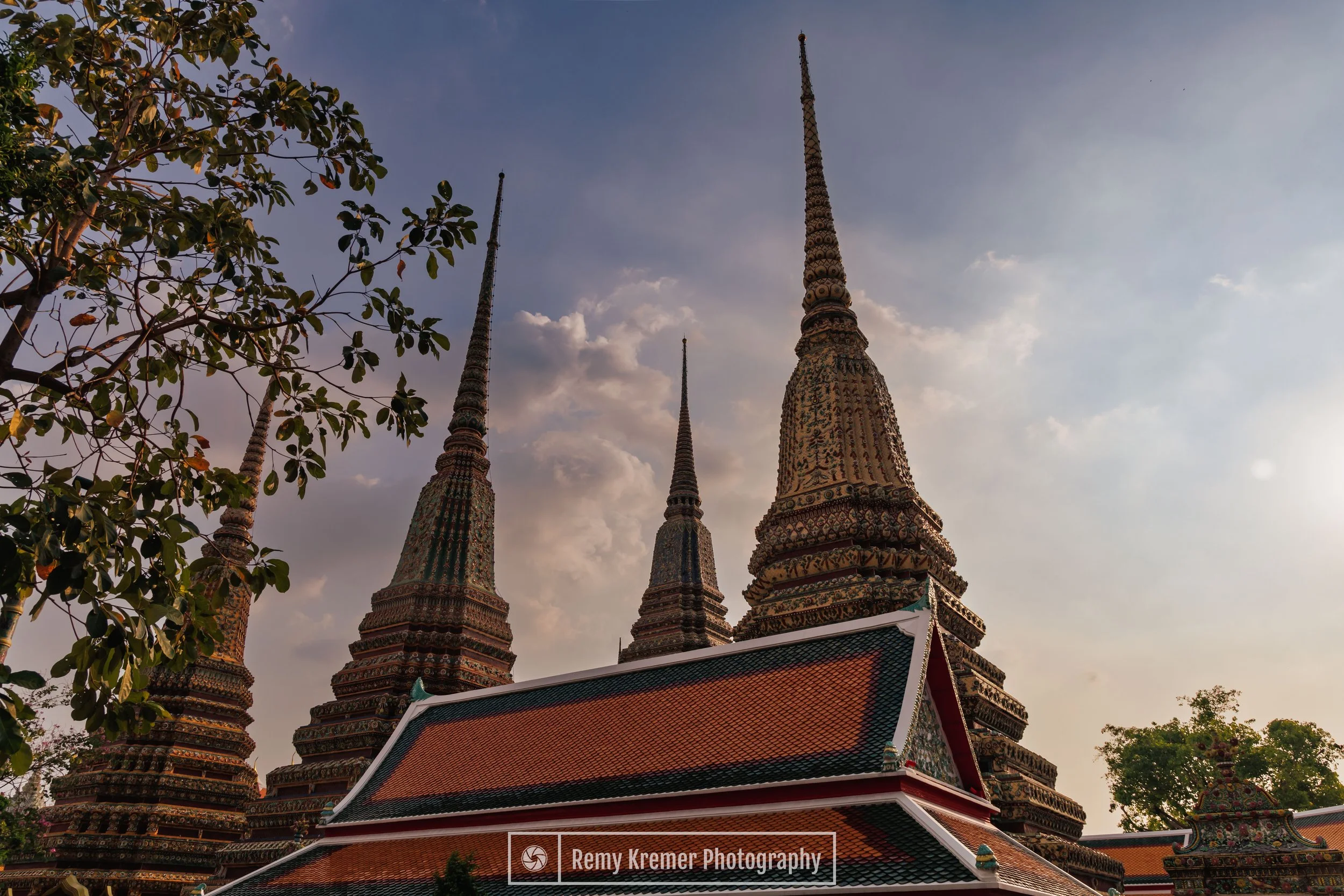
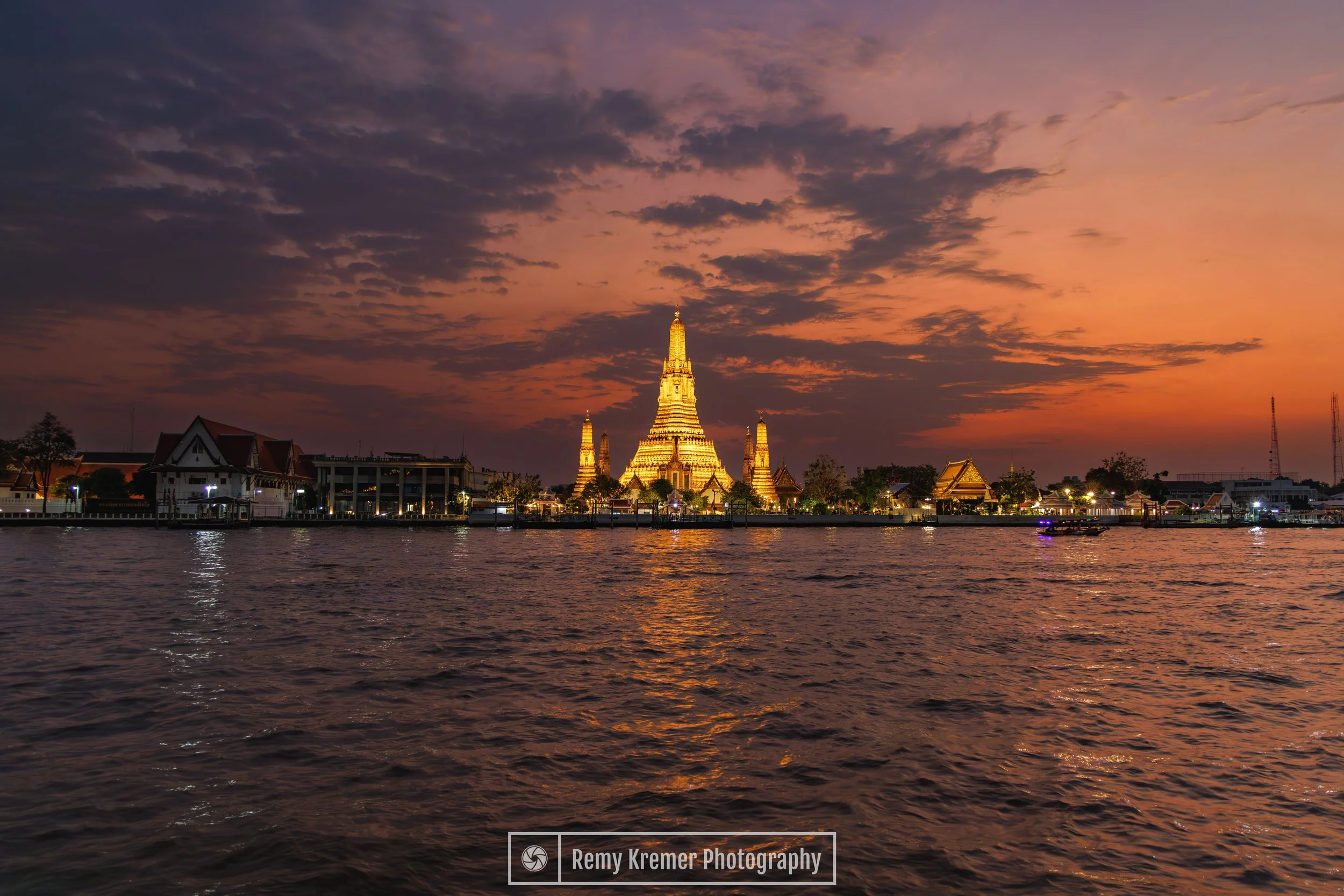
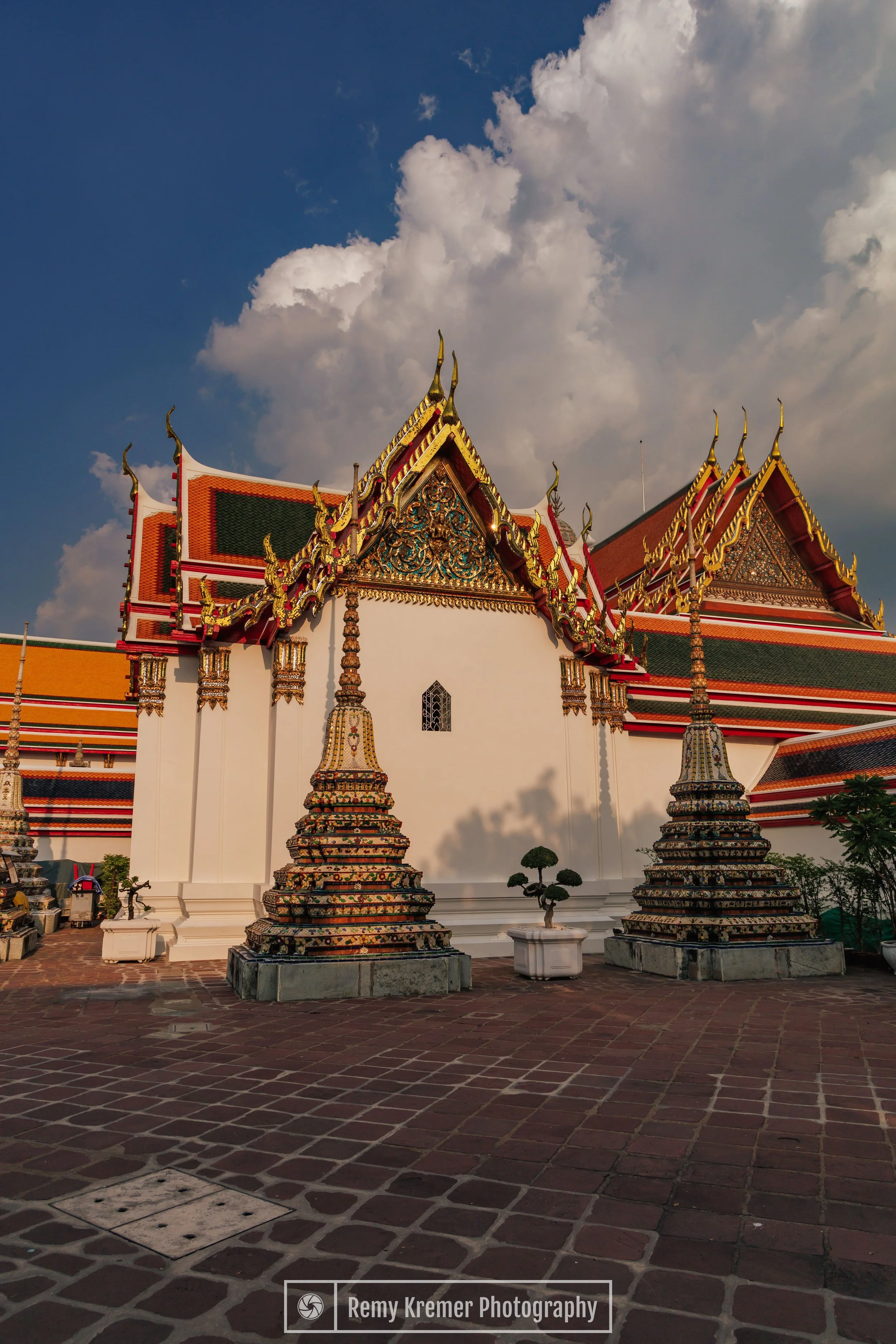
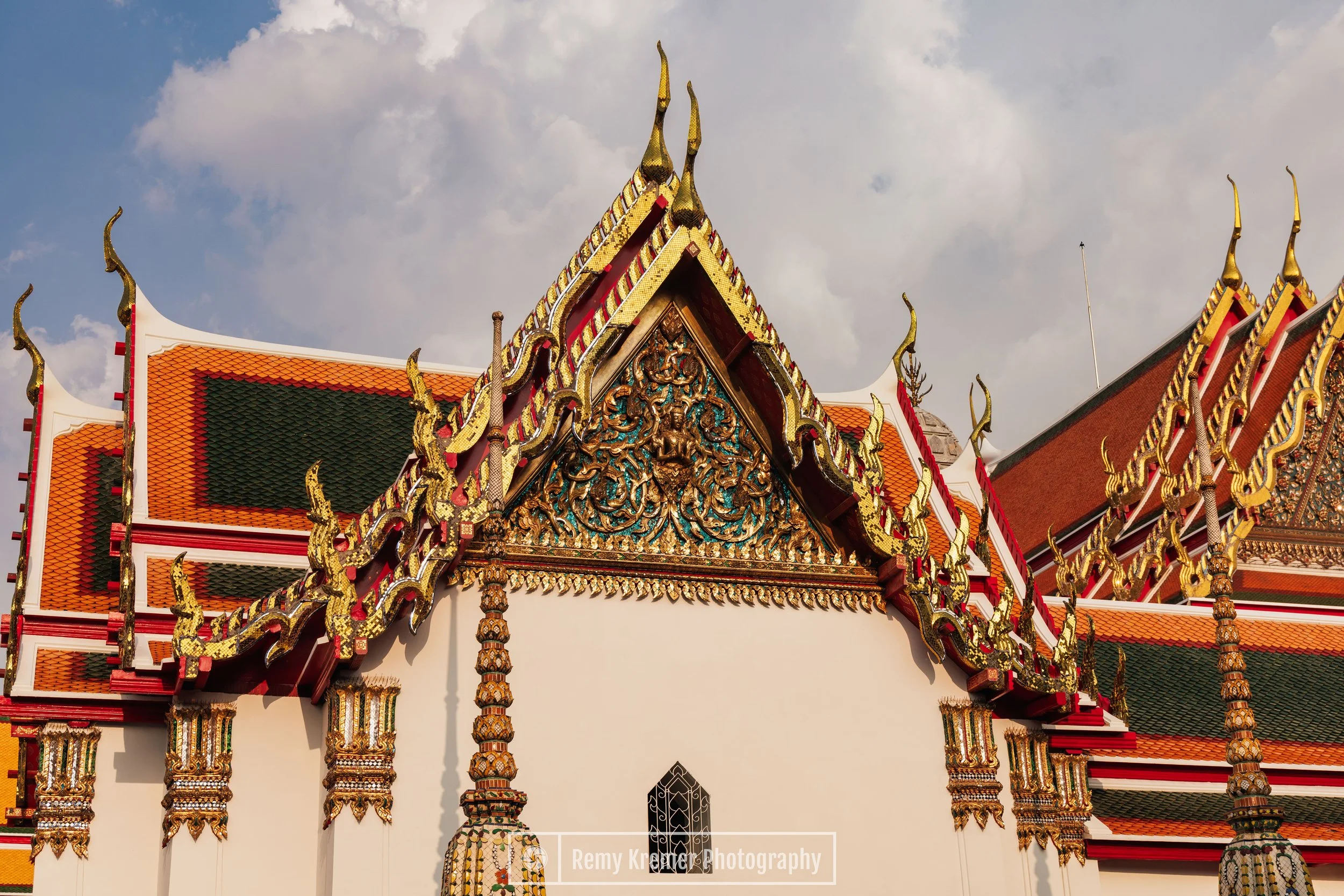
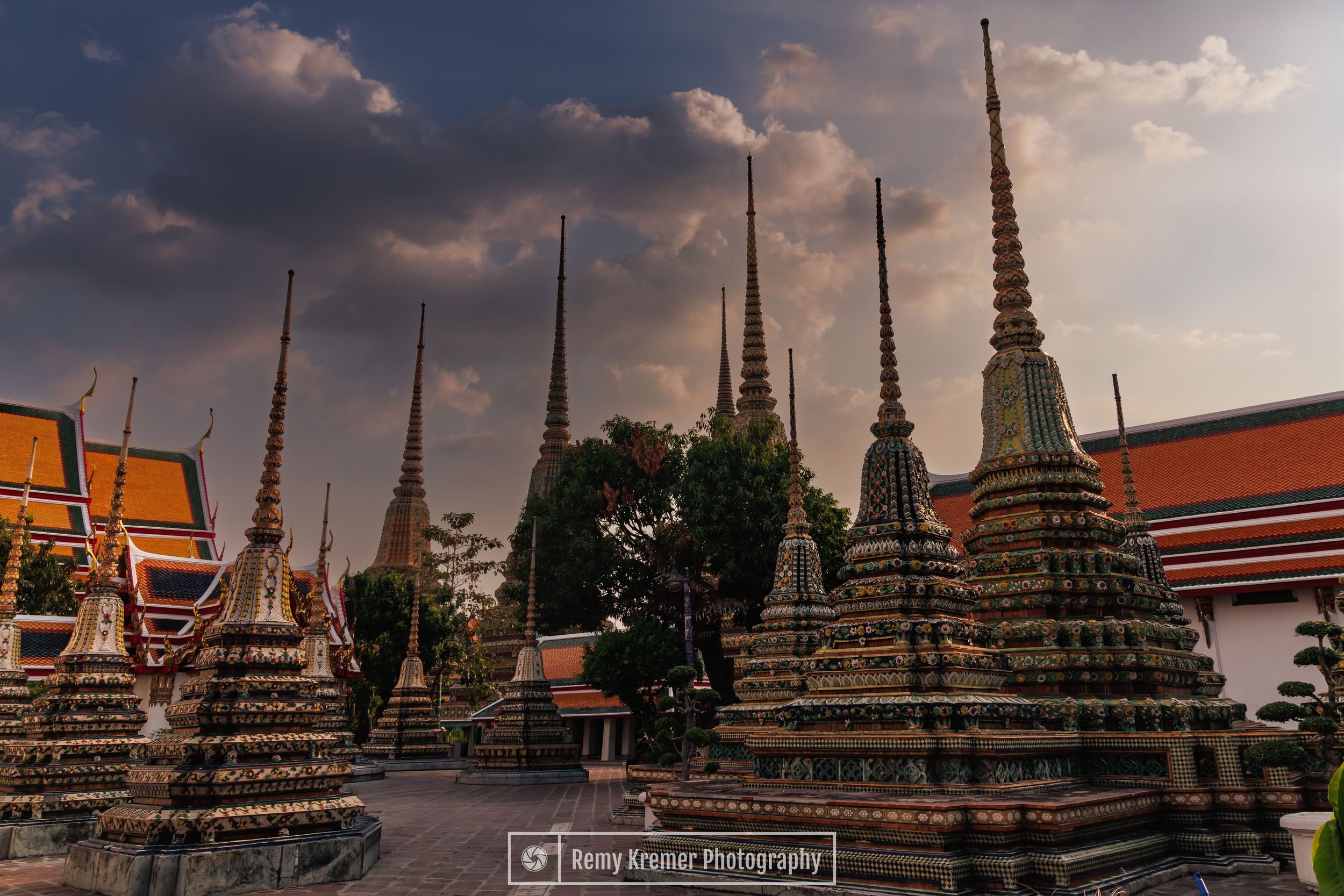
After freshening up, we headed straight to Wat Pho. This is where the 24-105 really shines. Shooting around 24mm allowed me to capture the scale of the temple structures, while zooming in to 70-105mm helped isolate details like patterns and textures in the architecture. The dynamic range of the RP was pushed quite a bit here, especially with harsh midday light, so exposing slightly for the highlights helped preserve detail in the bright gold elements. At sunset, we positioned ourselves across the river to photograph Wat Arun. This was easily one of the best moments of the day. As the light softened, I stayed mostly around 50-85mm to compress the scene slightly and emphasise the temple against the sky. Once the lights came on, it became more about stability and timing, keeping shutter speeds just high enough handheld. Khao San Road afterwards was chaotic, but great for quick candid shots and playing with motion and contrast.
Day 3: Temples and slow exploration
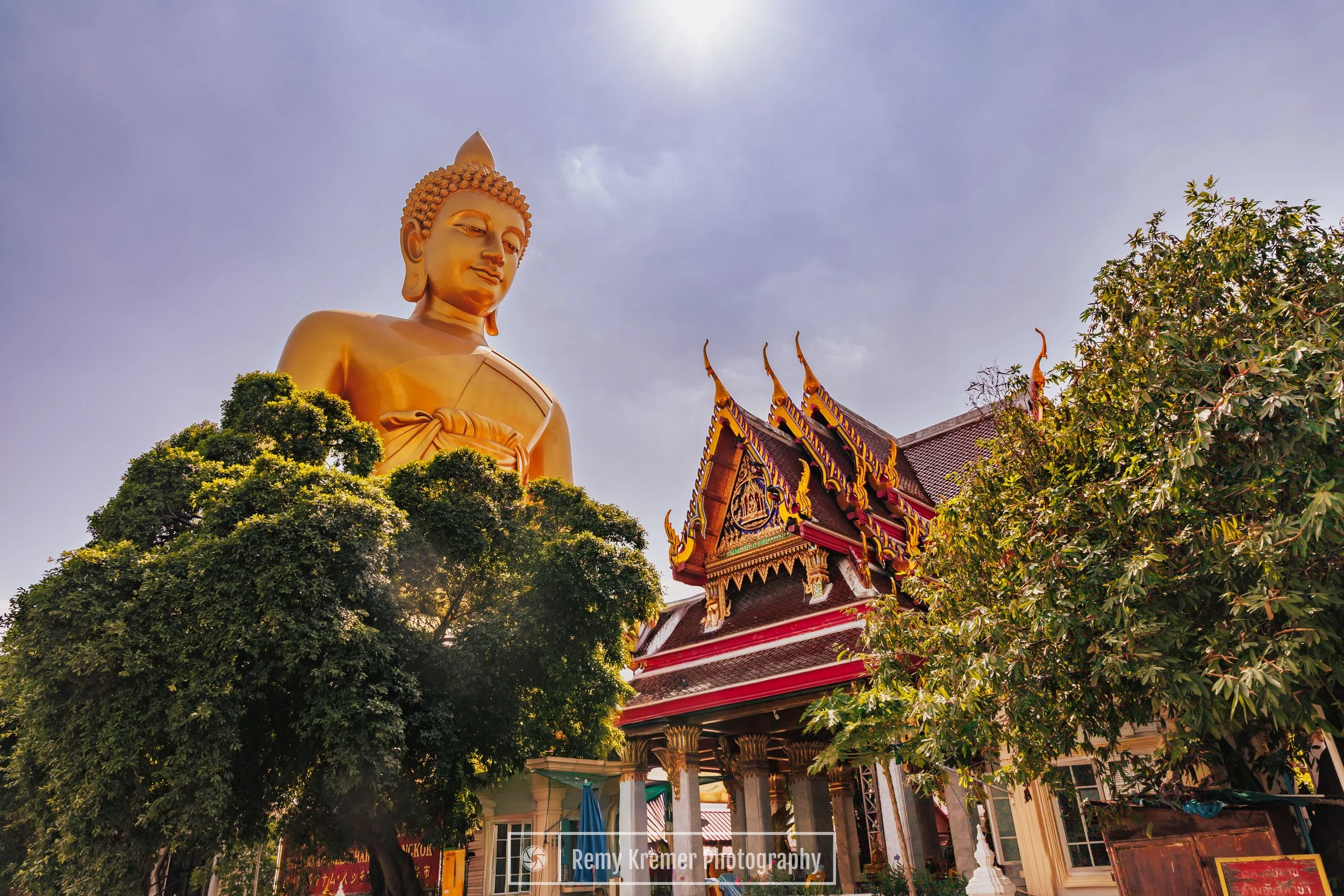
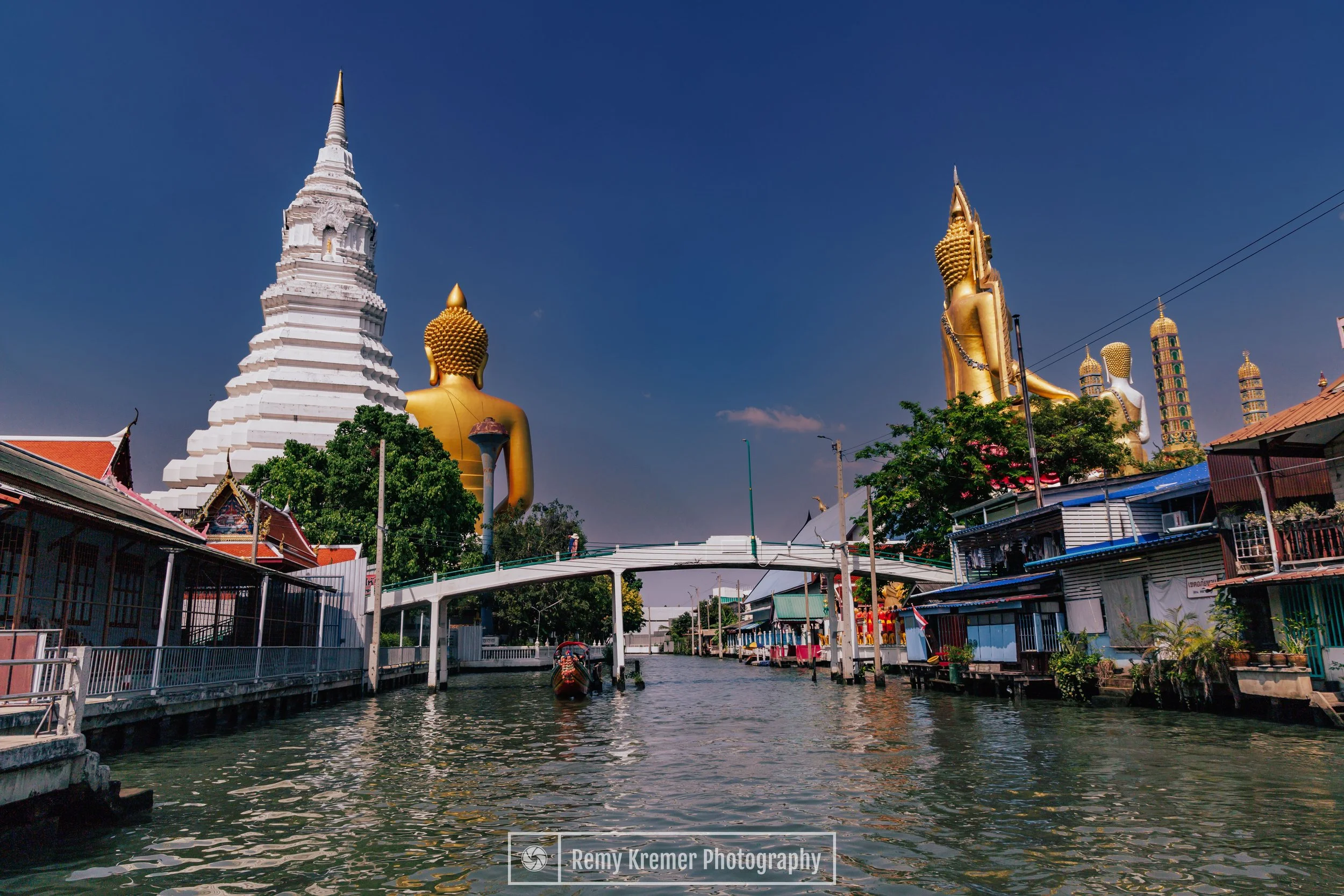
With better rest, we took things slower. Wat Paknam Phasi Charoen stood out, especially because of the massive Buddha statue. Here, I found myself switching between wide compositions to show scale and tighter crops to simplify the frame. The light was quite harsh again, so using shadows creatively became important. Later, during the boat ride, I focused on layering and foreground elements to add depth, something that worked well with the flexible zoom range.
Day 4: From city to island life
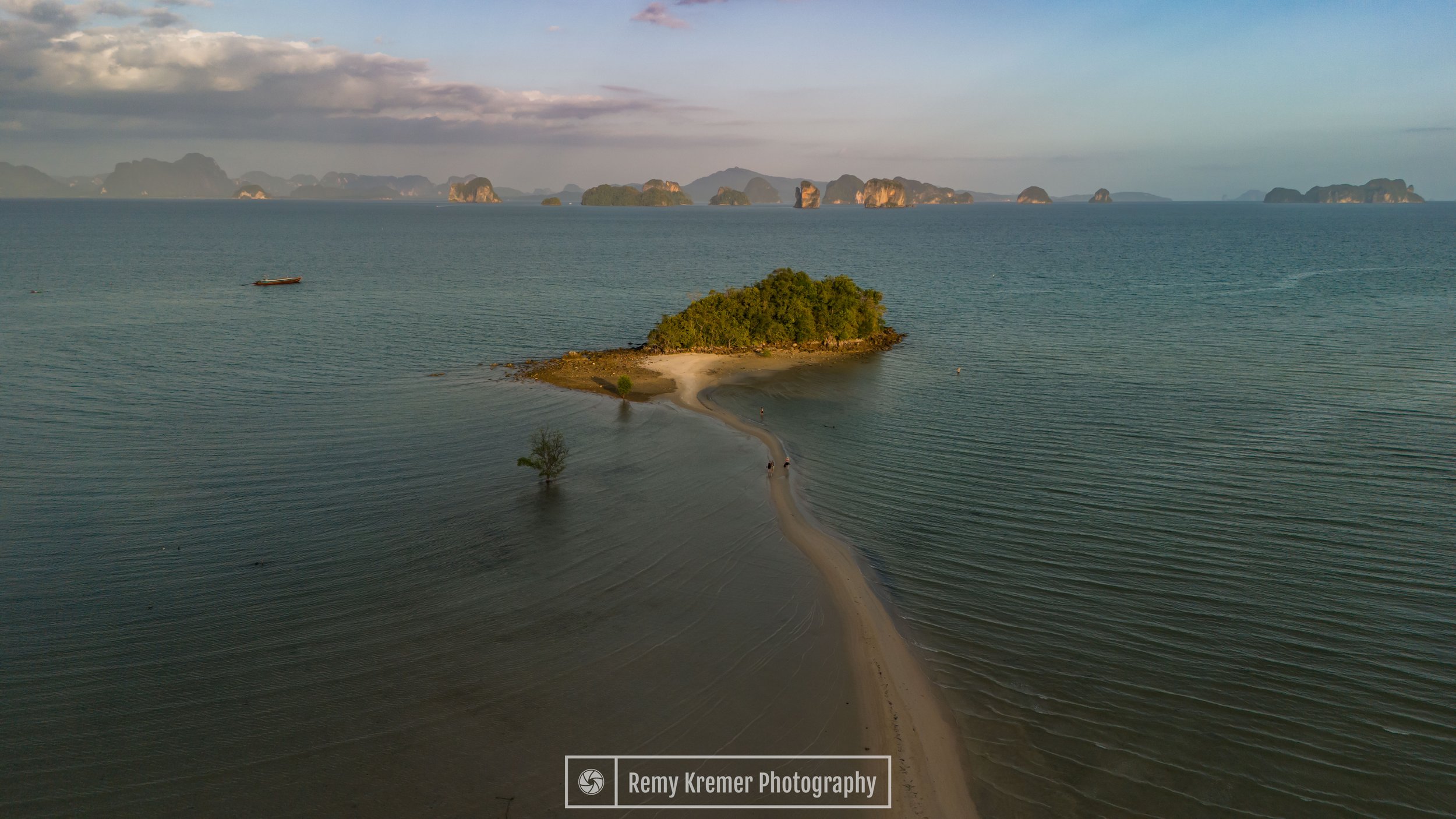
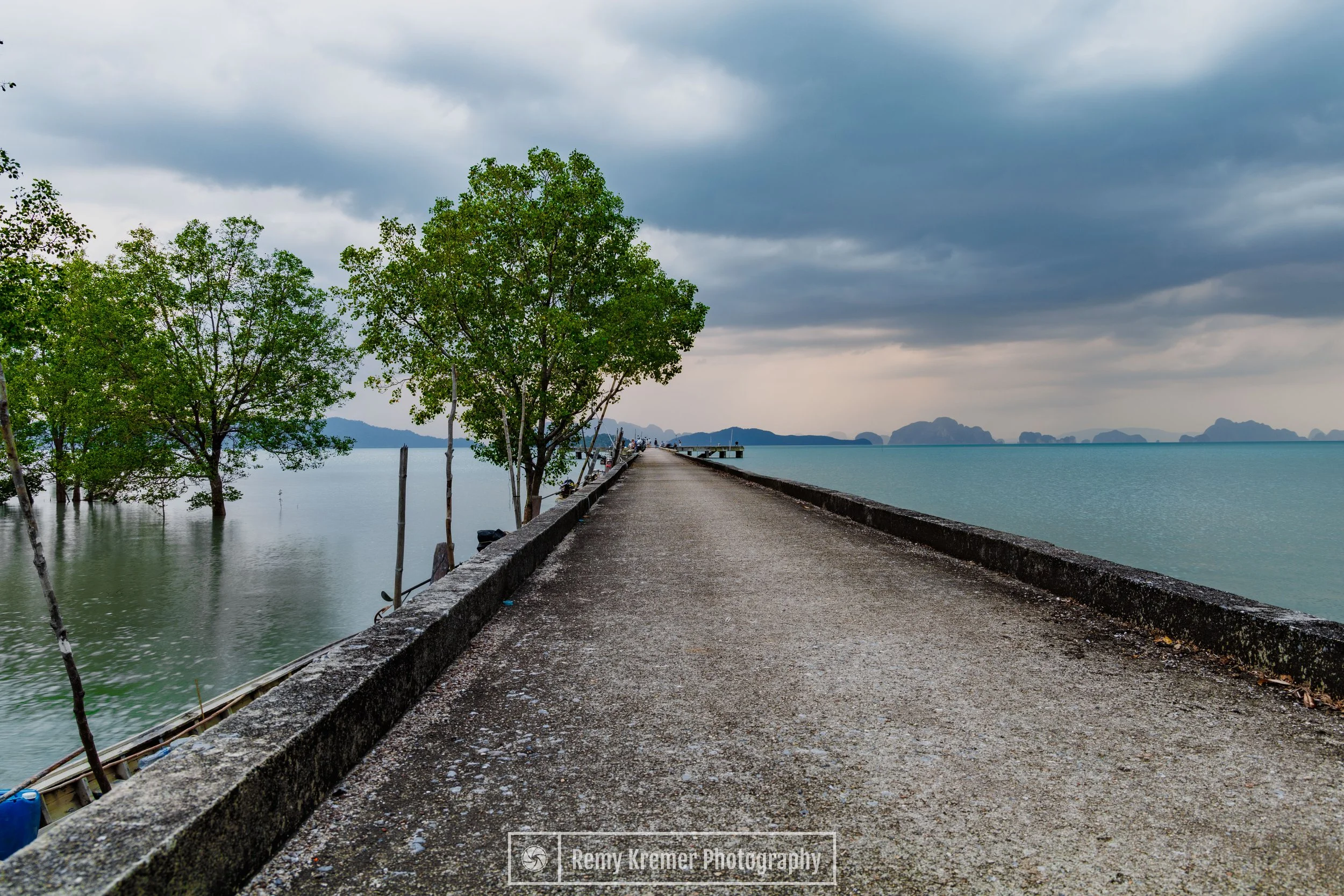
Travel days are usually less about photography, but still interesting visually. Airports, movement, and transitions can tell part of the story. Once we arrived on Koh Yao Noi, the atmosphere changed completely. Softer light, more open landscapes, and a much calmer environment. The contrast with Bangkok was huge. Even without shooting much that day, it was clear that this location would be more about light, minimalism, and composition rather than detail-heavy scenes.
Day 5: Exploring by longtail boat
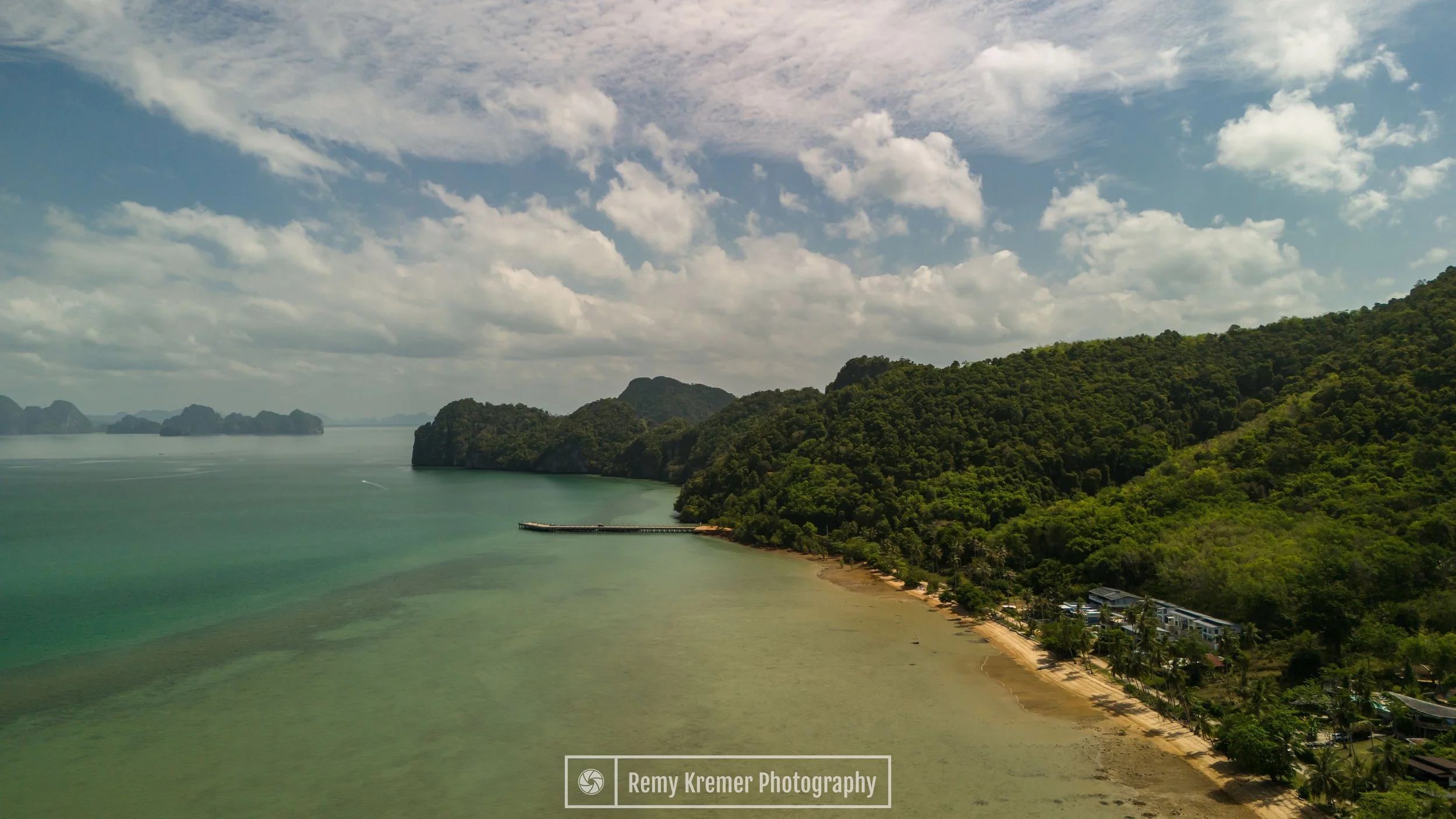
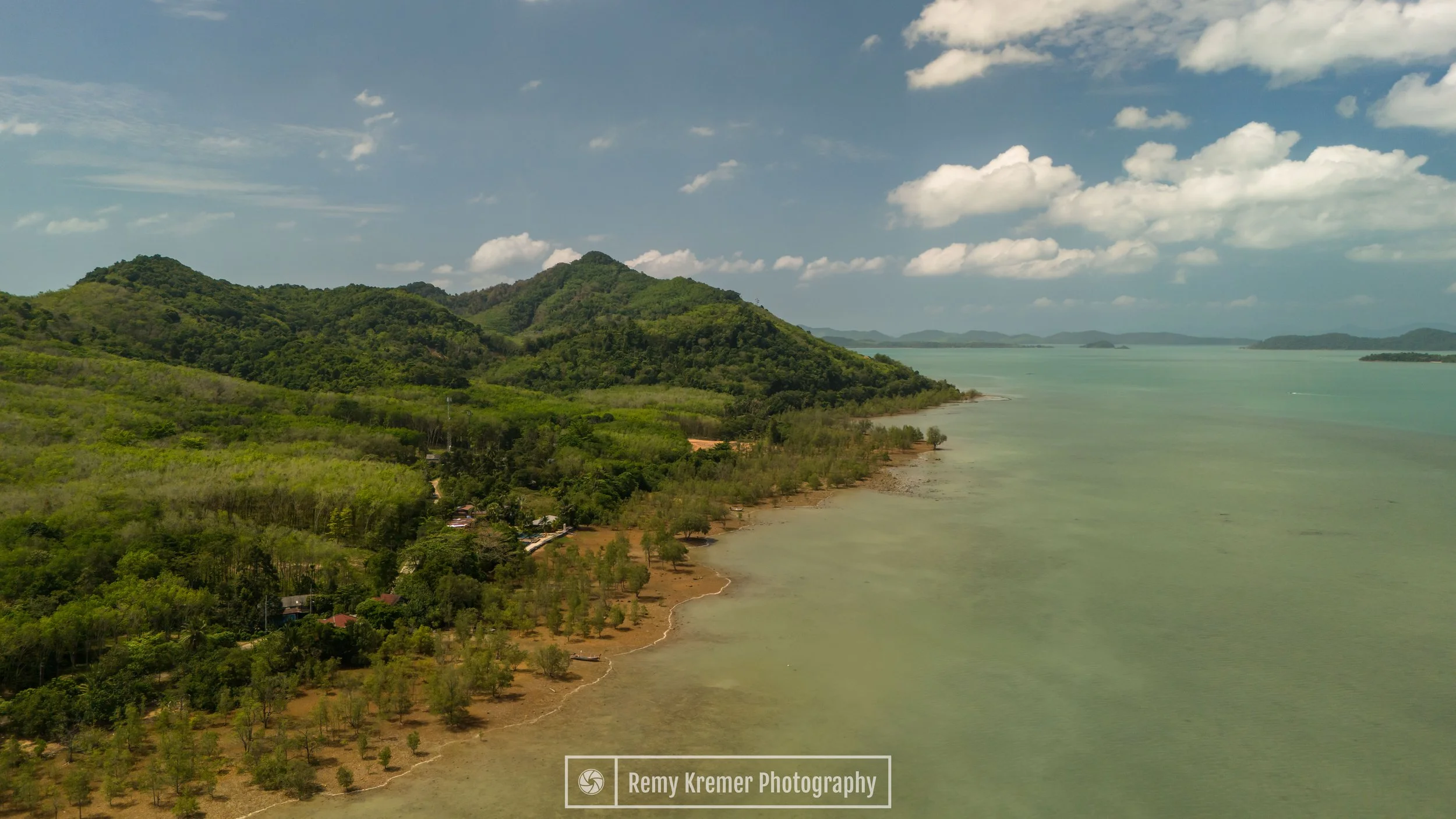
This was one of the highlights. Shooting from a moving longtail boat forces you to adapt quickly. Shutter speed becomes crucial, especially to avoid motion blur while still maintaining good exposure. Around 1/500 or higher worked well here. The limestone cliffs and islands provided strong leading lines and natural framing. I mostly stayed around 35-70mm to keep compositions balanced without too much distortion. The changing weather actually added a lot, with darker clouds creating mood and contrast in the images. It gave the scenes a more dramatic feel compared to clear blue skies.
Day 6: When plans change
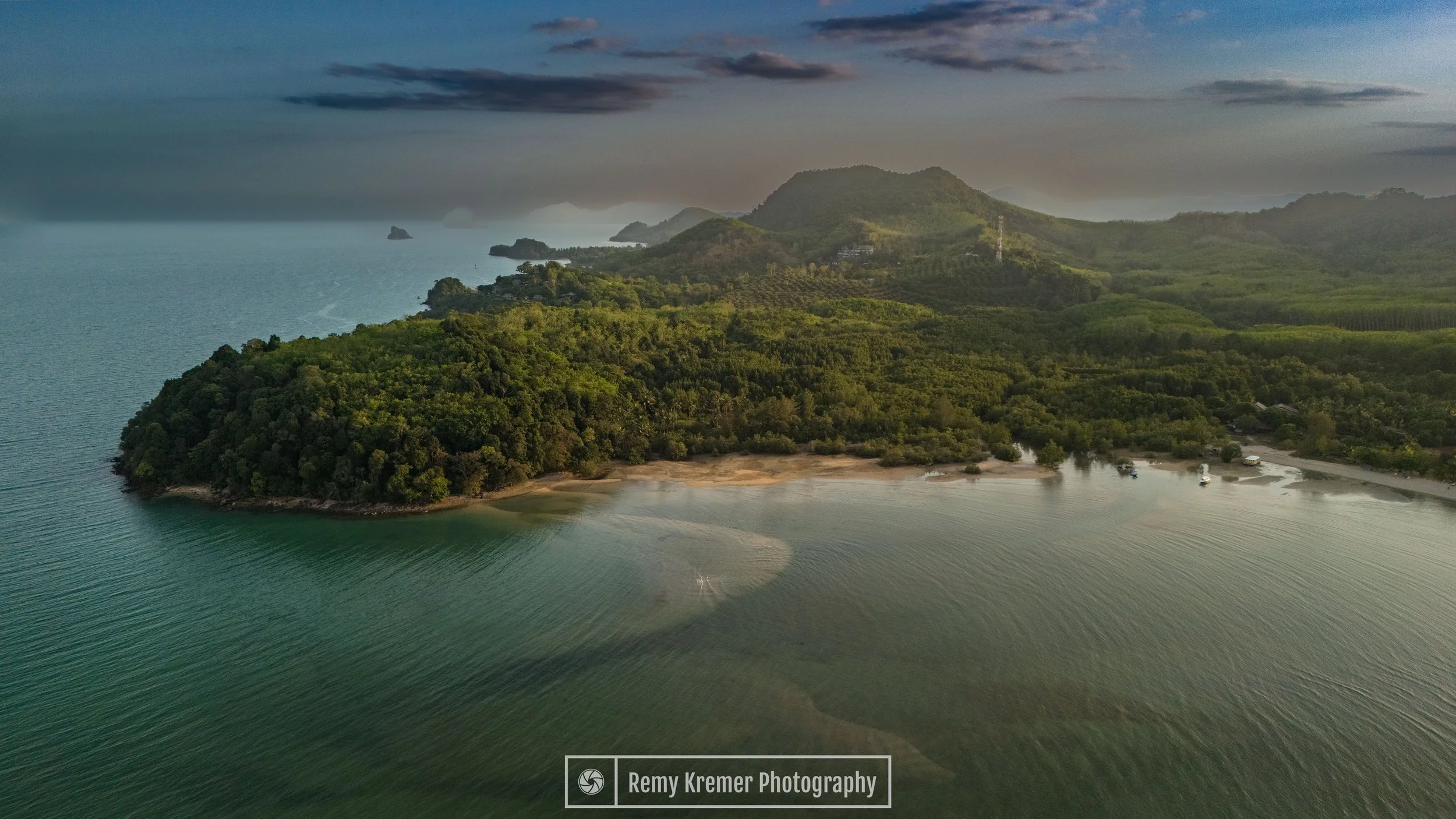
Not a great day physically, but still interesting photographically. Shooting while not feeling well forces you to simplify. Instead of chasing multiple compositions, I focused on a few strong frames. The sunset that evening was subtle but clean, and flying the drone added a completely different perspective. From above, the patterns in the coastline and water became much more visible, something that’s hard to capture from ground level.
Day 7: Recovery and quiet beaches
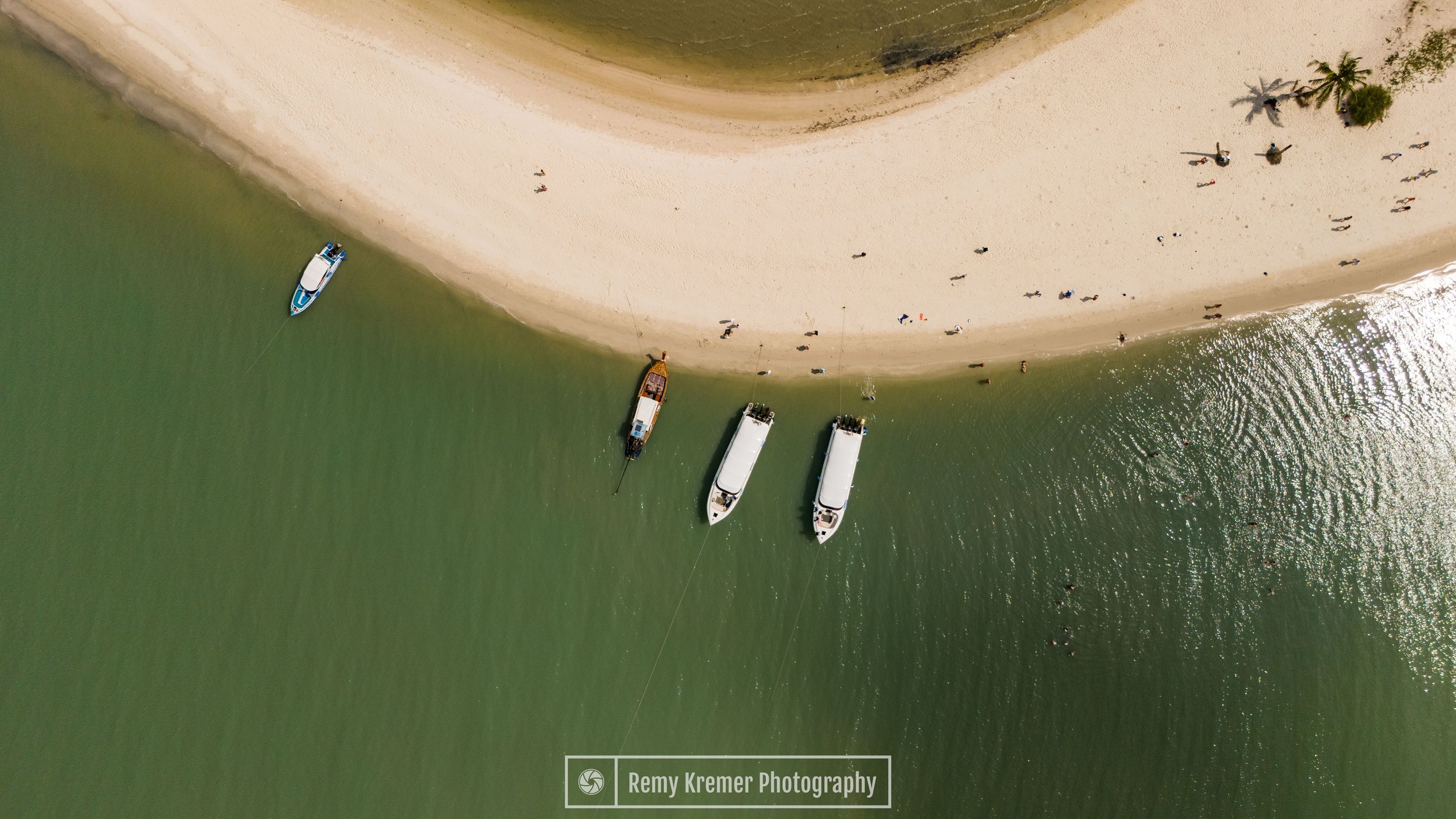
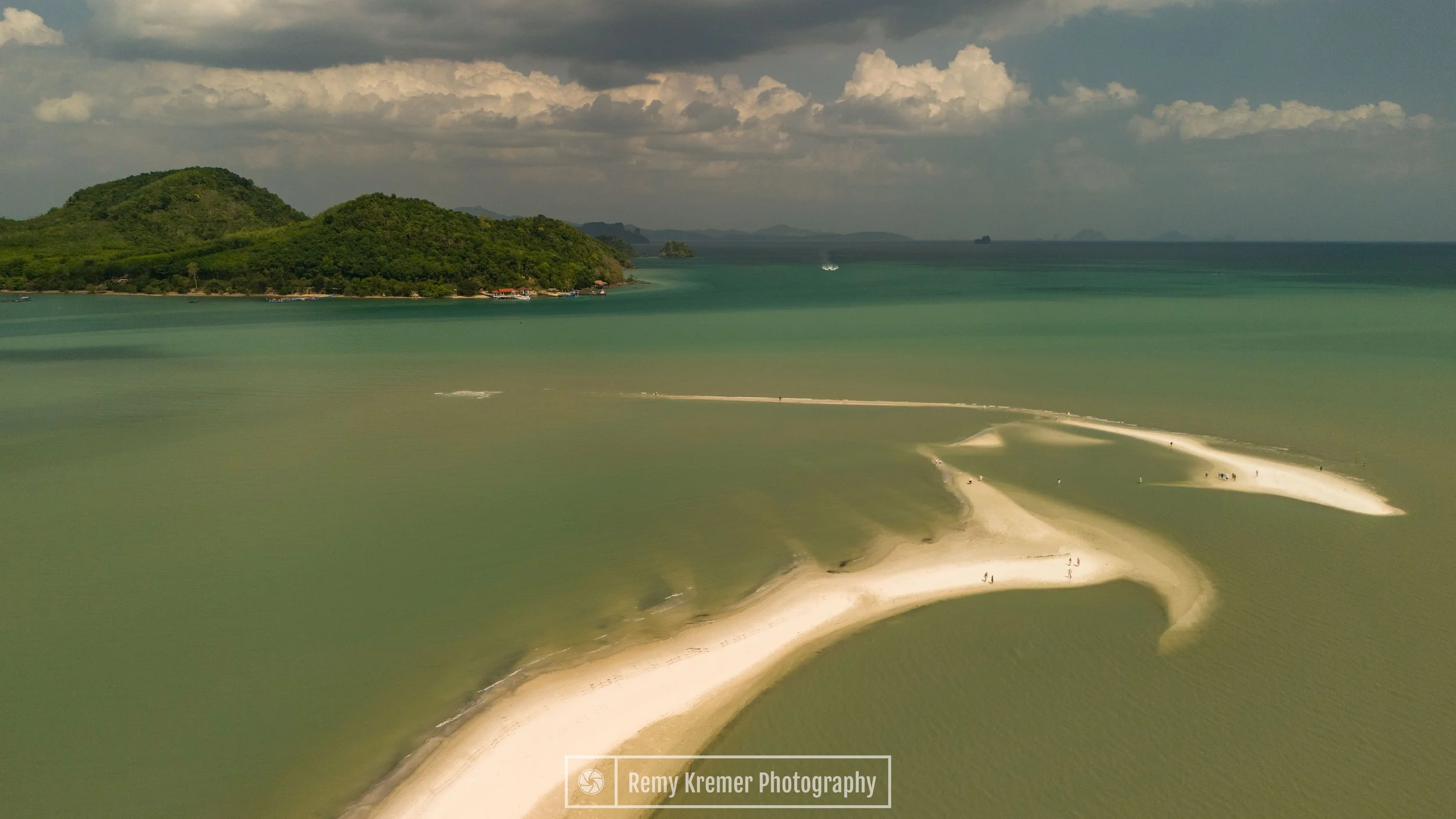
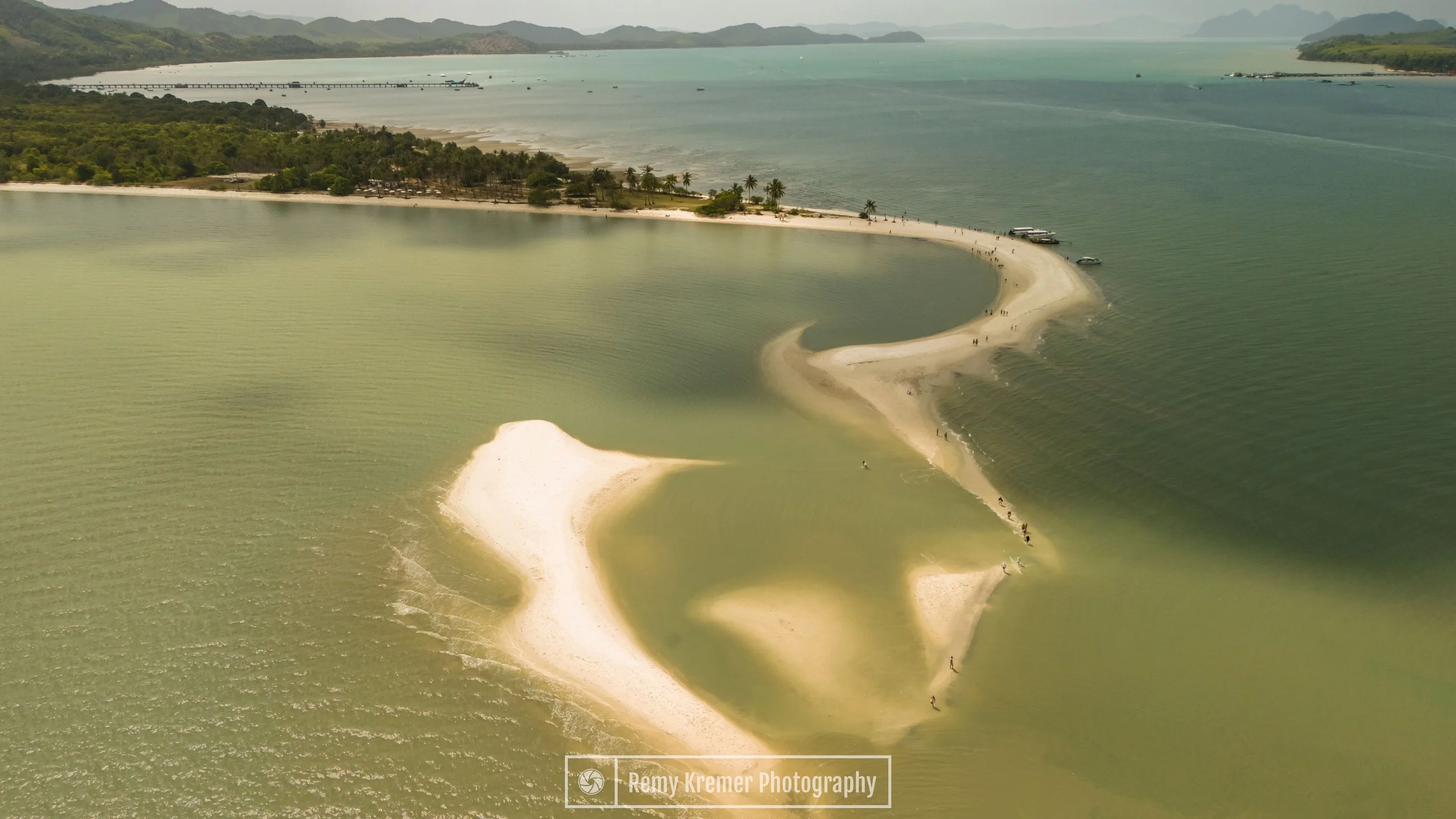
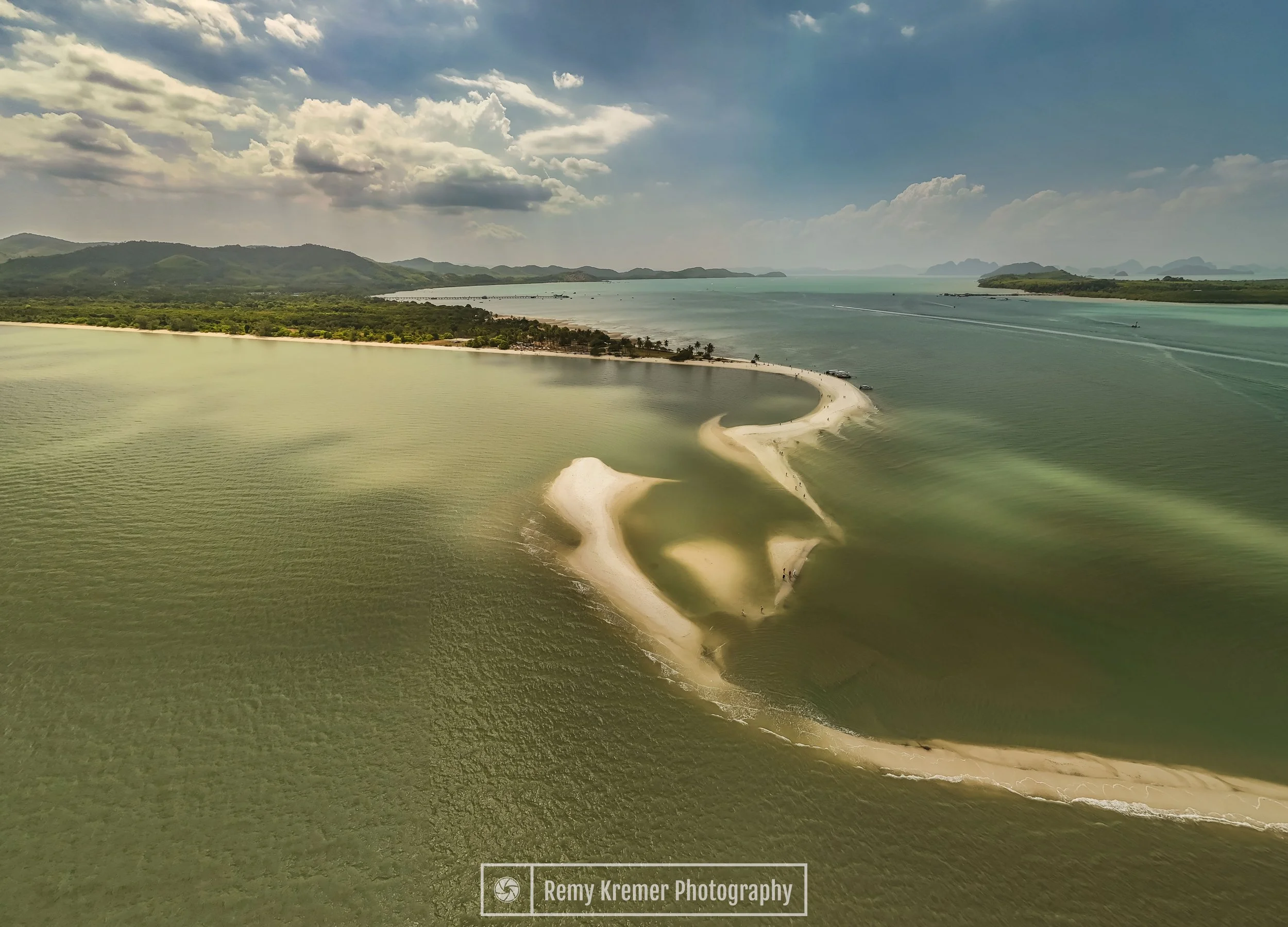
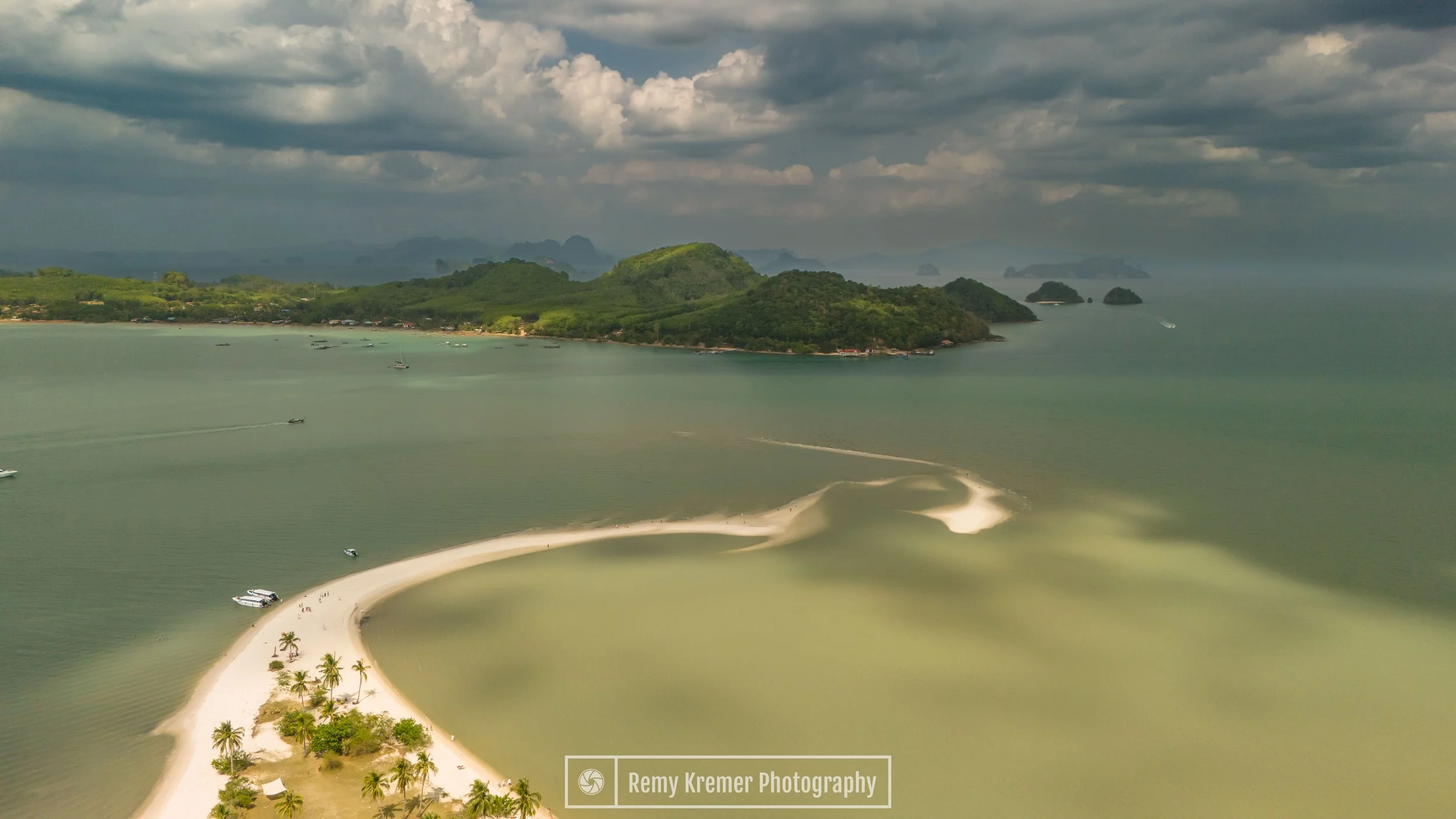
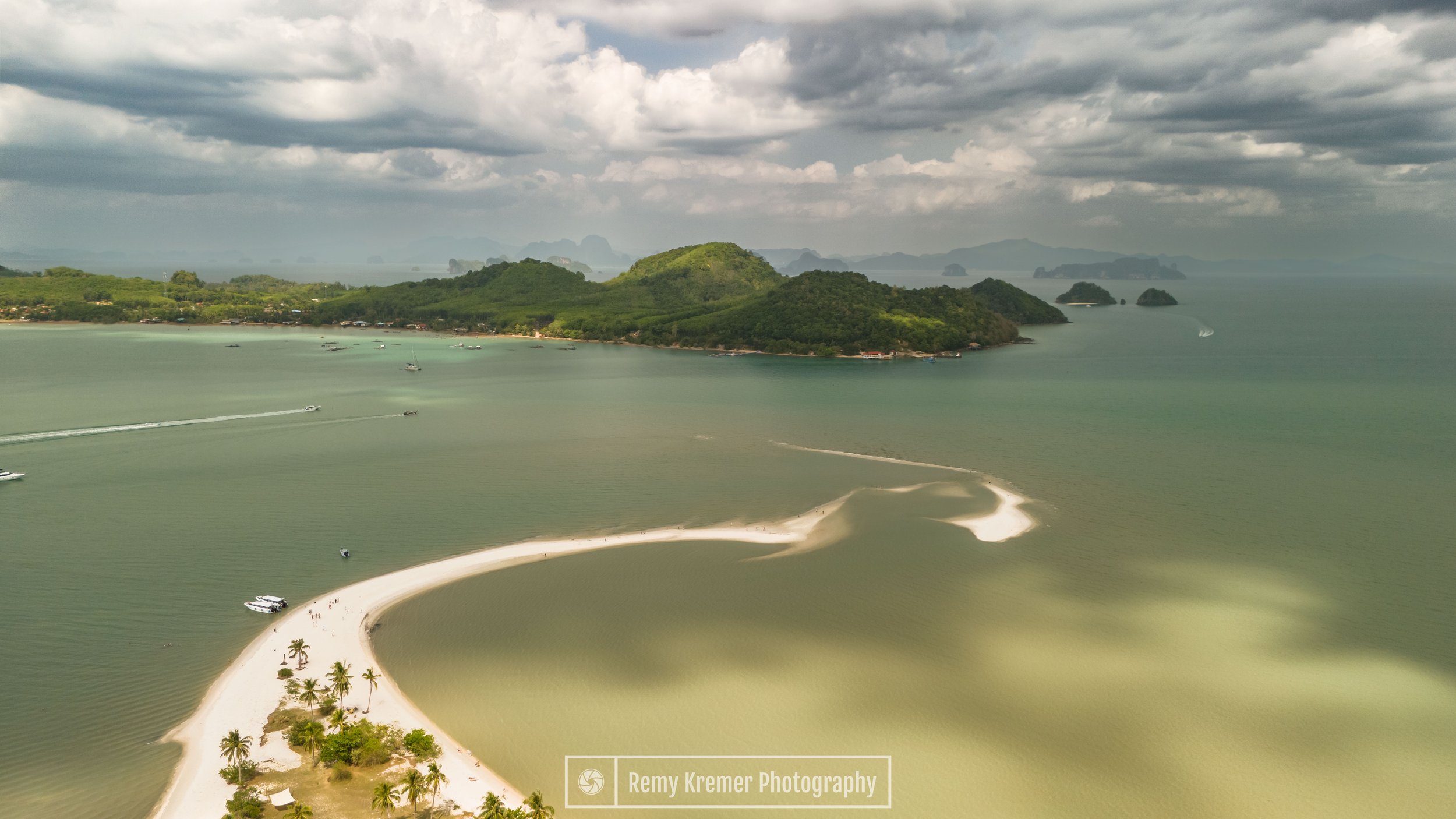
Feeling better again, we explored more of the island. Renting scooters gave us freedom to find quieter spots. Leam Haad Beach was perfect for drone photography, especially with the sandbanks visible at low tide. This is where composition really matters. From above, it becomes about shapes, lines, and balance rather than traditional foreground-background setups. I kept the drone movements minimal and focused on clean, static frames to emphasise the natural patterns.
Day 8: Leaving the island
Leaving Koh Yao Noi felt like stepping out of a completely different pace of life. Phuket was busier, more chaotic, and visually less minimal. Still, Old Town offered colourful streets and repeating patterns that worked well for more graphic compositions. The 24-105 again proved useful here, allowing quick switches between wide street scenes and tighter architectural details.
Day 9: Heading north to Chiang Mai
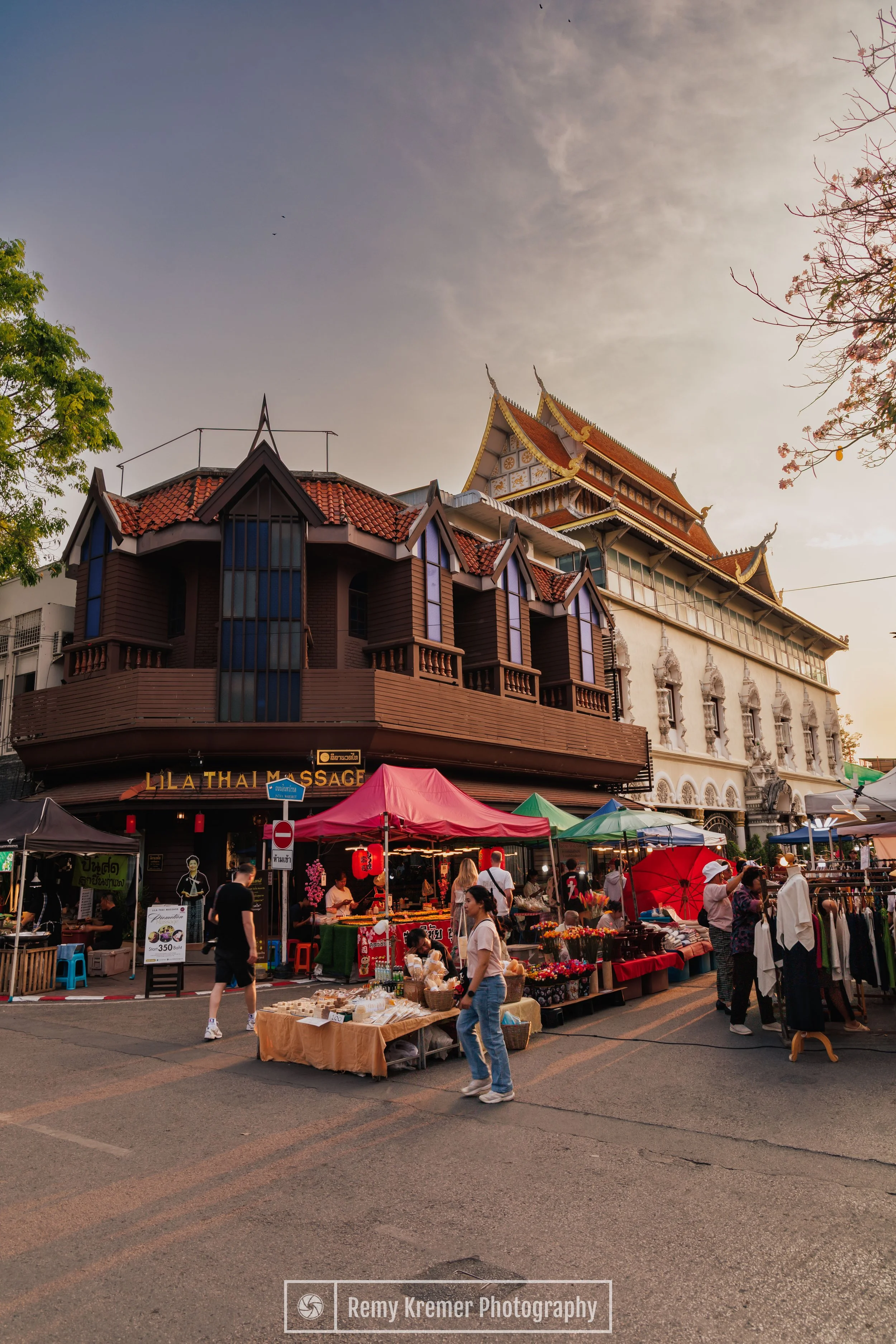
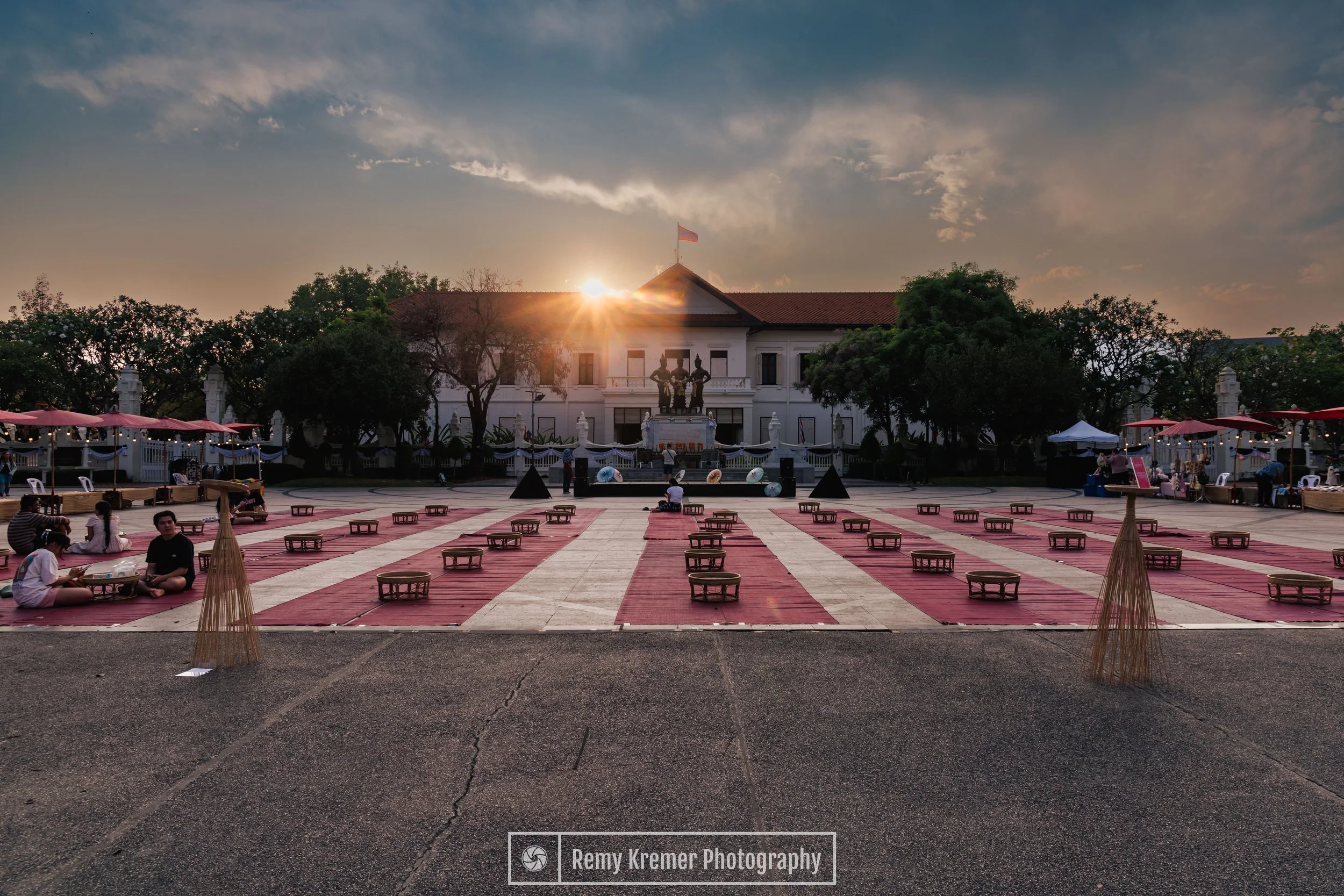
After a smooth travel day, we arrived in Chiang Mai. The Sunday market was perfect for street photography. Low light, mixed colours, and constant movement made it a bit more challenging. I kept my aperture at F4 and adjusted ISO accordingly, accepting some noise in exchange for keeping shutter speeds usable. The atmosphere mattered more than technical perfection here.
Day 10: Temples around Chiang Mai
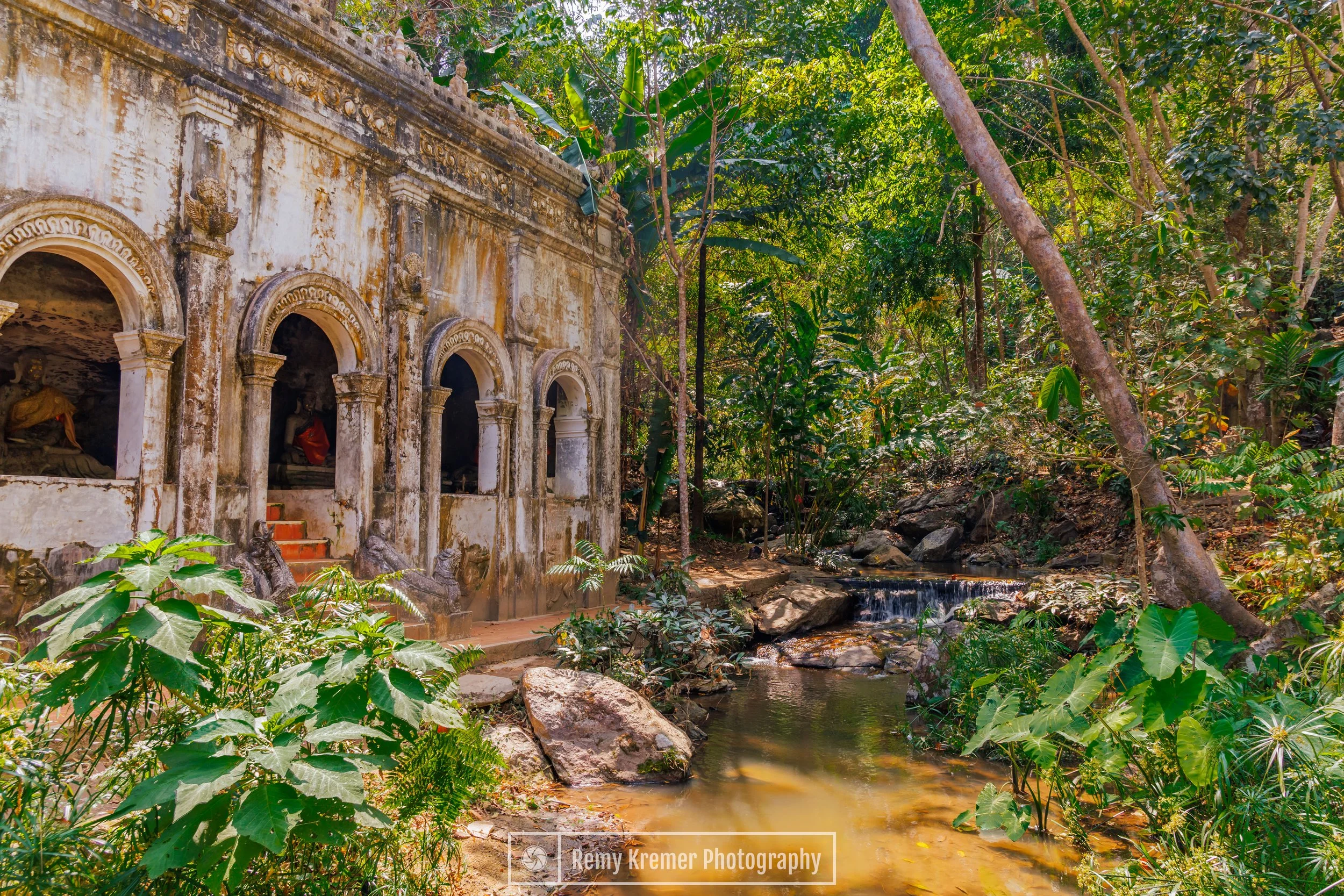
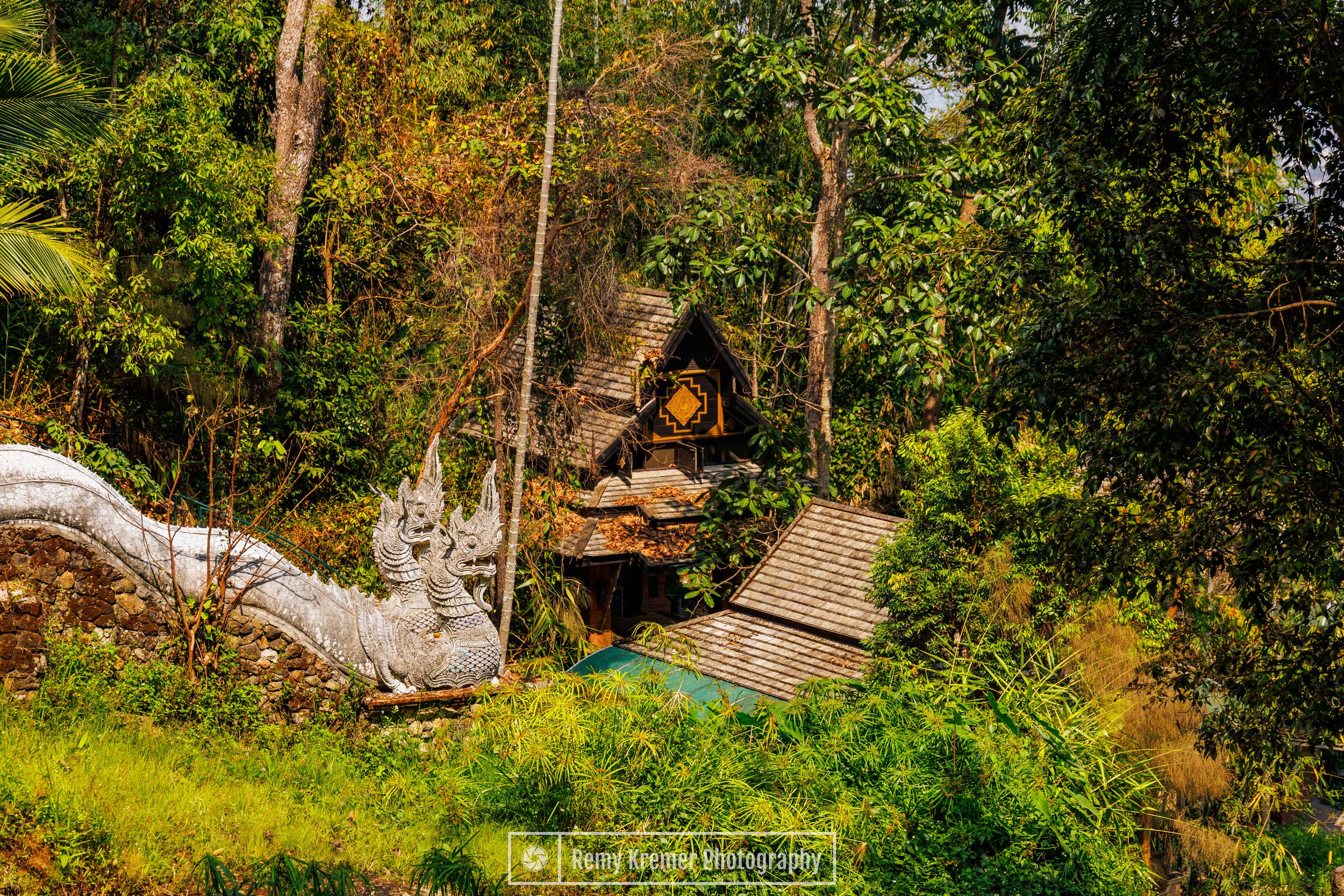
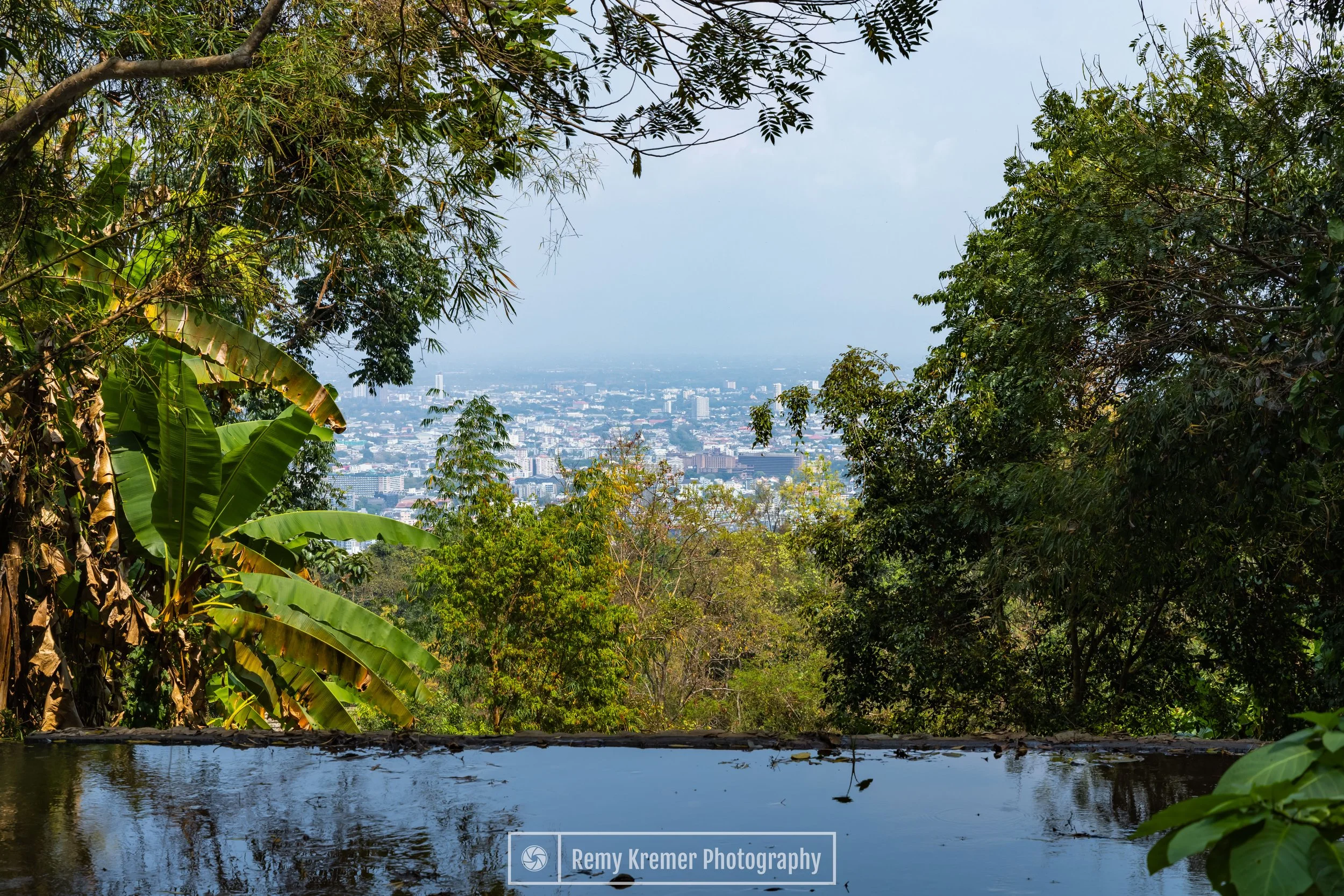
The temples around Chiang Mai offered a completely different feel compared to Bangkok. More nature, softer light, and less chaos. Wat Pha Lat stood out the most, with its jungle setting. Here, I focused more on composition and layering, using trees and foreground elements to frame the temples. The light filtering through the trees created natural highlights and shadows, which worked beautifully with the colours of the structures.
Day 11: Into the mountains of Doi Inthanon
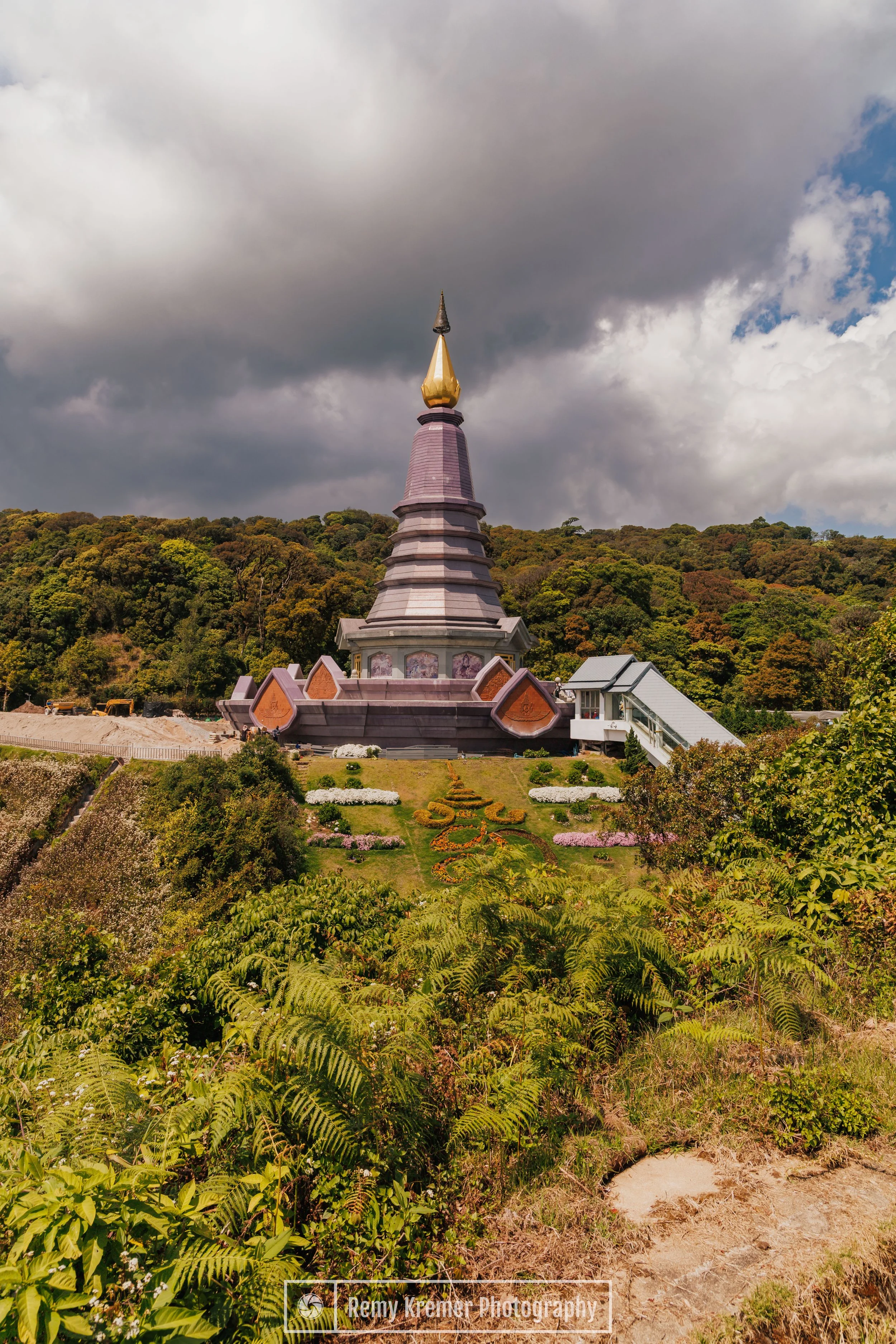
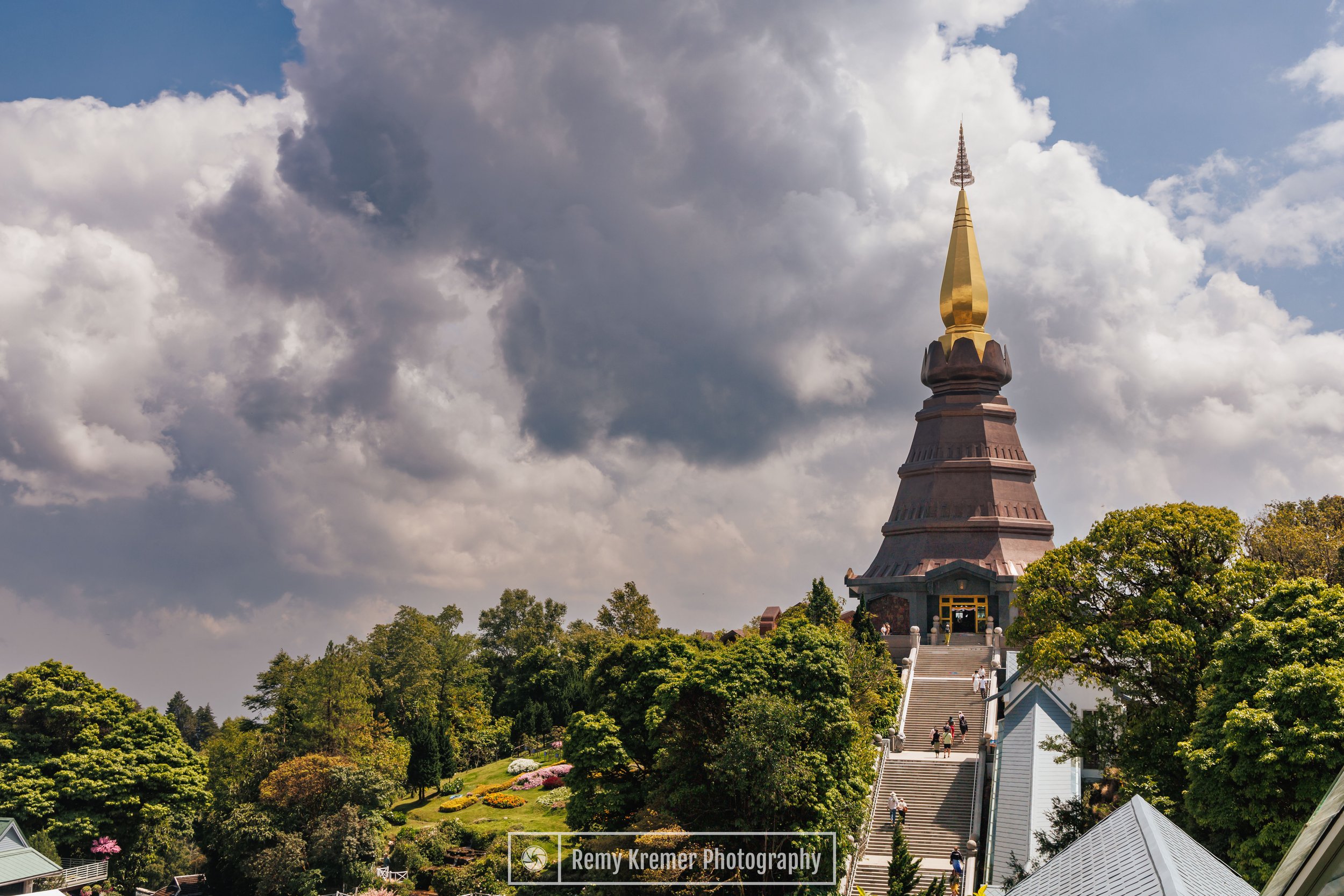
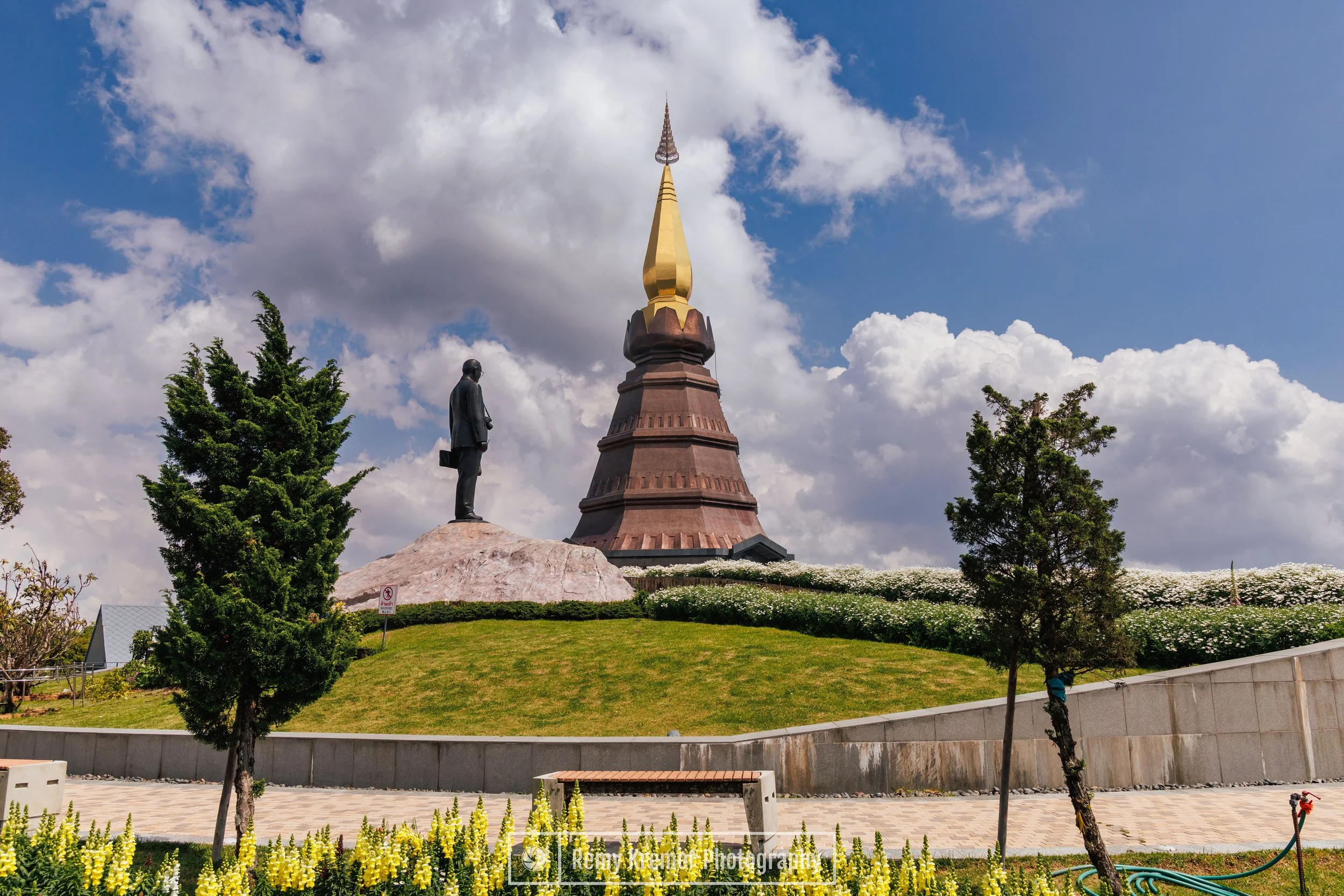
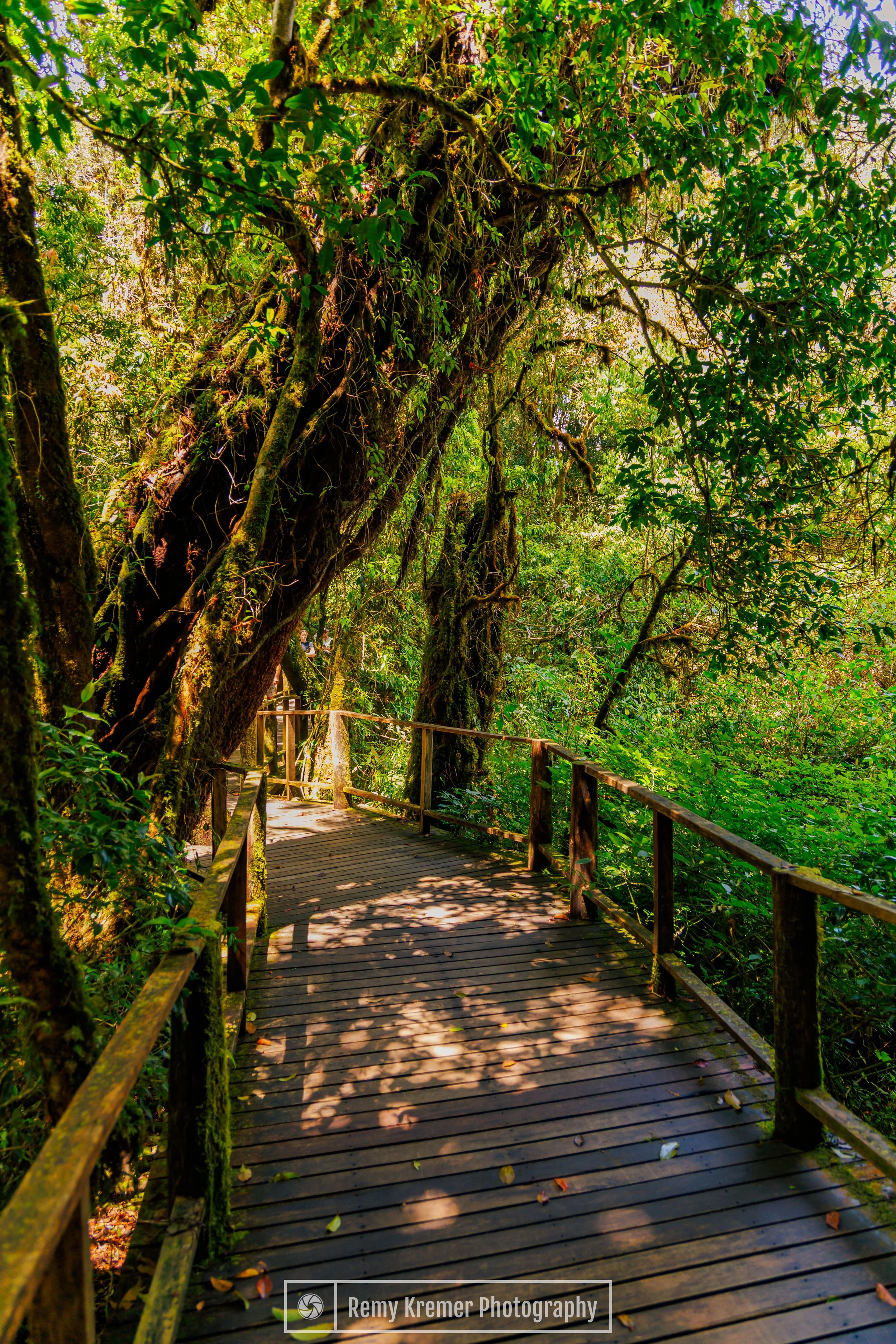
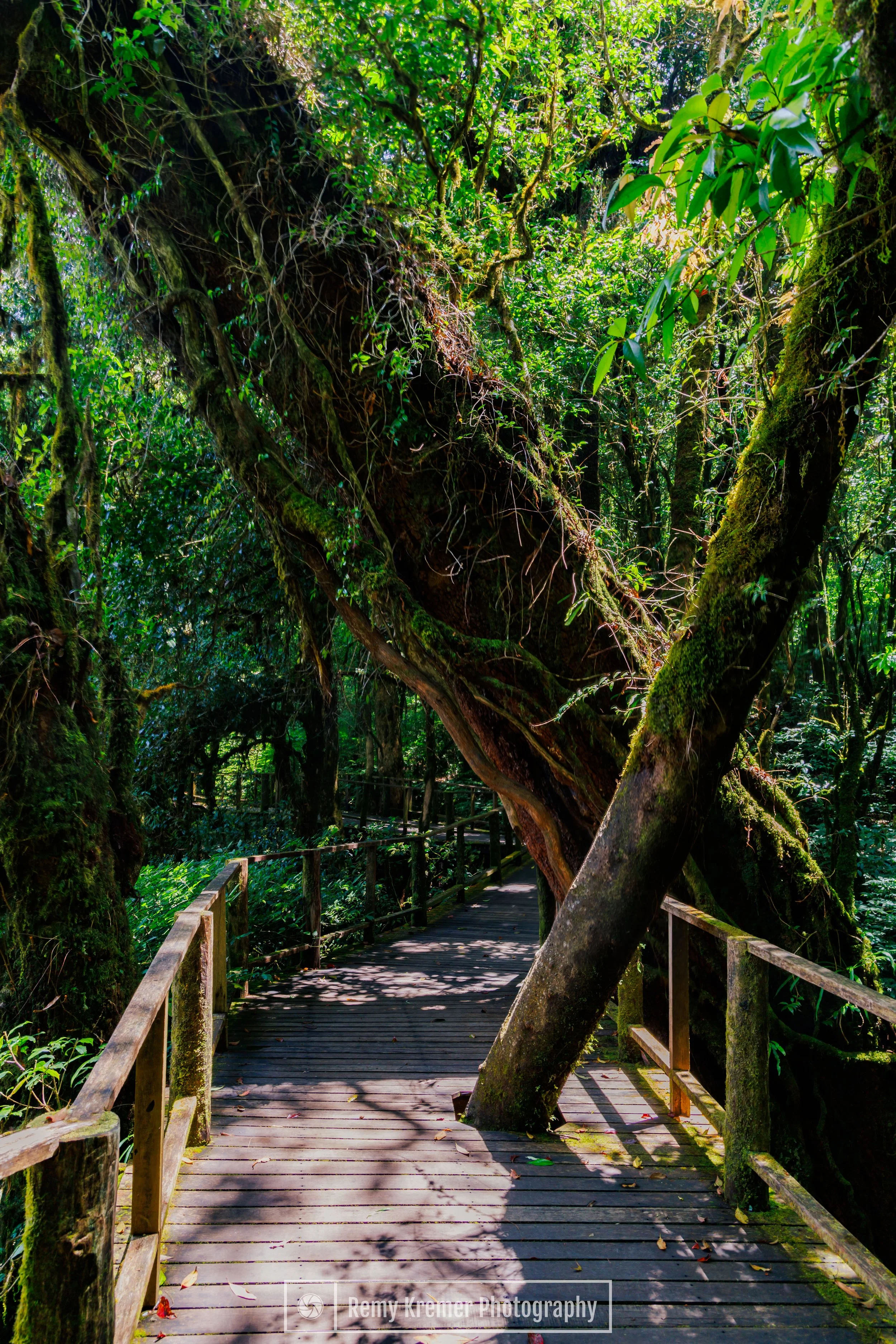
This was one of the most interesting days from a photography perspective. The higher altitude meant softer, diffused light and a completely different colour palette. The moss-covered forest almost felt surreal. Here, I slowed down and focused on textures, details, and leading lines. The waterfalls were a great opportunity to experiment slightly with shutter speed, although without a tripod it remained subtle. The pagodas offered wide views, where using the 24mm end helped capture the scale of the landscape.
Day 12: Back to Bangkok
Returning to Bangkok felt familiar, but also more rushed. At this point, photography became more selective. Instead of shooting everything, it was about recognising moments and deciding when not to shoot. We said goodbye to Jeroen and spent the evening at a night market, capturing a few final impressions of the city.
Day 13: Final hours in Thailand
The last day was relaxed. Visiting ICONSIAM provided a mix of modern architecture and busy indoor scenes, a contrast to everything we had seen before. It was less about creating portfolio shots and more about closing the story of the trip.
Day 14: Back home
After an intense and varied journey, we returned home. Looking back, this trip was less about chasing perfect conditions and more about adapting to what was there. The RF 24-105mm proved to be the perfect all-round lens, forcing creative decisions rather than relying on gear changes. From busy city scenes to quiet island landscapes, it handled everything.